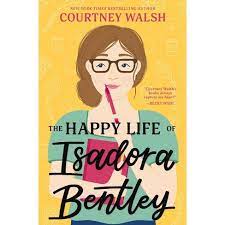
Book Review: The Happy Life of Isadora Bentley

The Happy Life of Isadora Bentley by Courtney Walsh

My local library just added Hoopla to their ebooks offerings, so of course I had to check out what new books were available. It had been a while since I’d read romance, so I thought I’d give this a try.

Description

Isadora Bentley works best alone, but it doesn’t make for a great birthday party. She believes in data, not emotions, yet she can’t help feeling drawn to the junk food aisle and its seemingly magical ability to drown out loneliness. While avoiding small talk with the cashier, a tabloid article catches her attention: 31 Ways to Be Happy.

As if that’s rigorous science. Isadora sets out to prove the article wrong, but as she follows each step, she opens herself up to a whole new world of emotions—maybe even love.

Characters

As an academically minded introvert, I identified with Isadora a lot. Insecure, anxious, and above all, lonely, she could stand in for many millennials who are hitting the quarter- or mid-life crisis. Her overzealous internal monologue provides ample depth to her character, and her gradually opening herself to more human connection feels satisfying.

The other characters, though charming, are nowhere near realistic. Though the elderly Marty and the zany mom Darby captured my heart, they paint an unrealistic picture of human relationships. It might be every introvert’s dream to have friends pursue them with such benevolent persistence, but real relationships are two-way streets. Yes, opening yourself up to new experiences—and people—takes guts, but it isn’t enough. Isadora was simply too passive for these friendships to have really formed.

Don’t even get me started on the leading man. Like the men in most romances, Cal is disgustingly perfect. Even his big secret makes him look even more perfect.

Plot

More character-driven than plot-driven, the plot follows Isadora as she tackles the steps to happiness and confronts her past hurts. The book could have ended much sooner, but it didn’t drag on too long.

Writing Style

Walsh’s style is well-suited to her introspective and anxious character. She adds great details in Isadora’s internal monologue which allow the reader to see even simple daily tasks, like smiling, from a new perspective.

Conclusion

Overall, The Happy Life of Isadora Bentley is a charming romance with a protagonist who speaks to the growing trend of loneliness in modern society. The story details a heart-warming transformation from prickly loner to loyal friend. Though Isadora’s passivity and her overly perfect love interest annoyed me by the end, I still enjoyed reading it.

WANT MORE BOOK REVIEWS? CLICK HERE TO SUBSCRIBE!


CLICK THE IMAGE TO PURCHASE FROM AMAZON*

The Happy Life of Isadora Bentley

You may also like:

Click HERE for my review

Click HERE for my review


*The above links are Amazon Affiliate links, meaning I earn a small commission if you purchase through them.

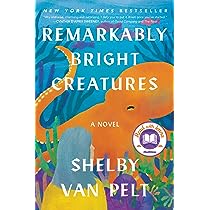
Book Review: Remarkably Bright Creatures

Remarkably Bright Creatures by Shelby Van Pelt

My local library just added Hoopla to their ebooks offerings, so of course I had to check out what new books were available. This one was recommended, and I wasn’t disappointed.

Description

Even though her friends all say she shouldn’t still be working so hard at her age, Tova continues to clean the Sowell Bay aquarium every night. She must keep busy. Otherwise, she might dwell on the loss of her husband, or she might contemplate the continued mystery of her son’s disappearance. She’s never bought into the police’s explanation. Erik would never commit suicide.

As she works, Tova befriends Marcellus, the giant pacific octopus who knows far more than humans give him credit for. He deduces what truly happened the night of her son’s disappearance, and how her young replacement, Cameron, is involved.

Characters

Tova is the type of character you can only truly get to know from the inside. Outside, she is the tough, stoic, particular Swede, but her inner thoughts reveal the depths of her emotions and the vast extent of her kindness. As someone with plenty of Scandinavian blood running through my veins, I bonded instantly with her.

Marcellus’s voice comes infrequently, but it always offers a unique perspective, and his personality shines as much as Tova’s. Likewise, Cameron, struggling to grow up even though he’s passed thirty, provides an interesting contrast to Tova. Their fast friendship feels natural and charming.

Plot

The plot follows Tova as she processes her grief and prepares for the next stage in life, though she could never predict the turns her new friends give her. This isn’t a fast-paced thriller. Rather, it meanders through various characters. The authors ties everything together in a neat bow at the end, making for an immensely satisfying read.

Writing Style

Van Pelt’s style is well suited to the genre. Seemingly irrelevant details add loads of character development, and they never bog down the prose.

Conclusion

The book’s back cover description suggests this story to fans of A Man Called Ove, and as a huge fan of Fredrik Backman, I wholeheartedly agree. Poignant and charming, Remarkably Bright Creatures hits all the right notes for a beautiful and achingly human read.

WANT MORE BOOK REVIEWS? CLICK HERE TO SUBSCRIBE!


CLICK THE IMAGE TO PURCHASE FROM AMAZON*

Remarkably Bright Creatures

You may also like:

Click HERE for my review


*The above links are Amazon Affiliate links, meaning I earn a small commission if you purchase through them.

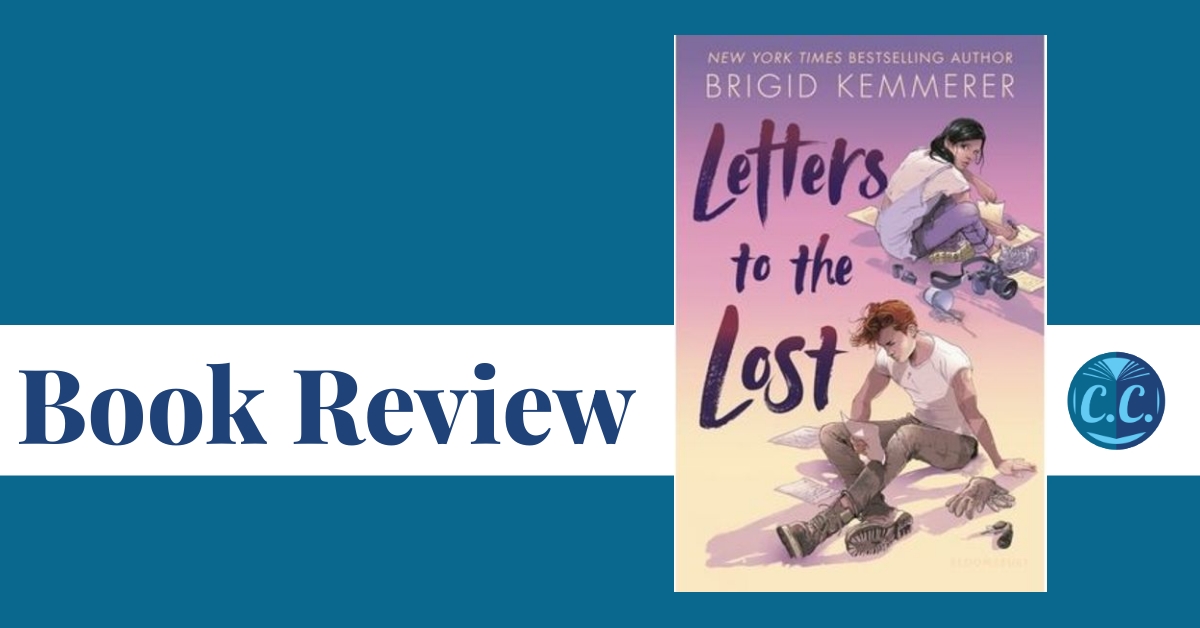
Book Review: Letters to the Lost

Letters to the Lost is You’ve Got Mail for the modern teen.

Letters to the Lost by Brigid Kemmerer

I enjoyed Kemmerer’s fantasy series, so I thought I’d try her contemporary fiction.

Description

Juliet is trapped in a fog of grief after her mother’s death.

Declan is trapped by people’s negative expectations.

Juliet can’t stop writing letters to her mother and leaving them on her tombstone, but one day, Declan writes back anonymously. She feels an instant connection to the stranger who seems to understand her pain, and Declan discovers someone who finally sees his side of his difficult past. Soon, they are revealing their deepest secrets and most painful memories to each other, but their realities are too close for comfort, and the truth threatens to destroy the relationship they rely on.

Characters

Juliet can’t stop obsessing over her mother’s death, even though her anger and grief are destroying her remaining relationships. Her one passion, photography, now reminds her too much of her mother, and she struggles in normal teenage interactions. Overall, she comes across as a three-dimensional character whose flaws drive her mistakes.

Declan is the typical misunderstood “bad kid,” the one teachers dismiss as prison-bound and peers avoid. His character arc is less anchored in his personal flaws as it is in the failures of his family members, which makes him a little less personable than Juliet.

Both characters have best friends that are too perfect to be realistic. I know the author was trying to set up a series, but she made Rev too likeable. I can’t imagine why Juliet didn’t guess Rev was her anonymous penpal. The author’s failure to address this felt like an obvious blunder and a wasted opportunity.

What I really appreciated, however, was how each character had one teacher/adult mentor who reached out to them. Often in teen fiction, the adults are all idiots, superfluous, or bad guys, so I liked that some of them, even the flawed ones, were trying to help.

Plot

The plot follows the two characters as they grow closer together, both in their anonymous writing and in their real lives. Each event flows well from the last. I never felt cheated by cheap twists.

Writing Style

Kemmerer excels in the all-absorbing first-person narration quintessential to contemporary young adult fiction. She captures the teenagers’ angst and perspective perfectly. I especially admired her descriptions of how each teenager felt their emotions physically—so much more than the cliched butterflies in the stomach.

Miscellaneous

The book’s central concept is saddening in its realism. Juliet and Declan form a strong bond because they feel safe sharing their deep feelings anonymously. In the social-media age, I can see how many teenage relationships remain surface-level. I wonder how many teens nowadays are suffering because they have no genuine friendships.

Conclusion

Letters to the Lost is You’ve Got Mail for the modern teen. The story delves into the depths of grief, guilt, and prejudice while maintaining a realistic teenage perspective. The story is all-encompassing in its narration, and delivers a satisfying ending while still driving interest in the next book in the series. I’d recommend this for fans of Laurie Halls Anderson.

WANT MORE BOOK REVIEWS? CLICK HERE TO SUBSCRIBE!


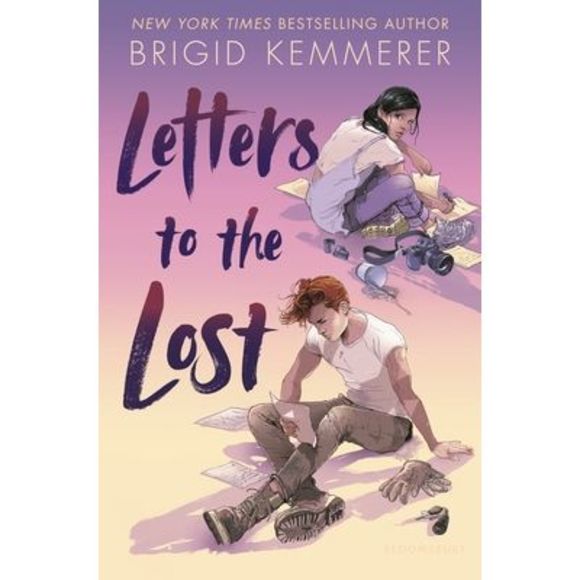
CLICK THE IMAGE TO PURCHASE FROM AMAZON*

Letters to the Lost

You may also like


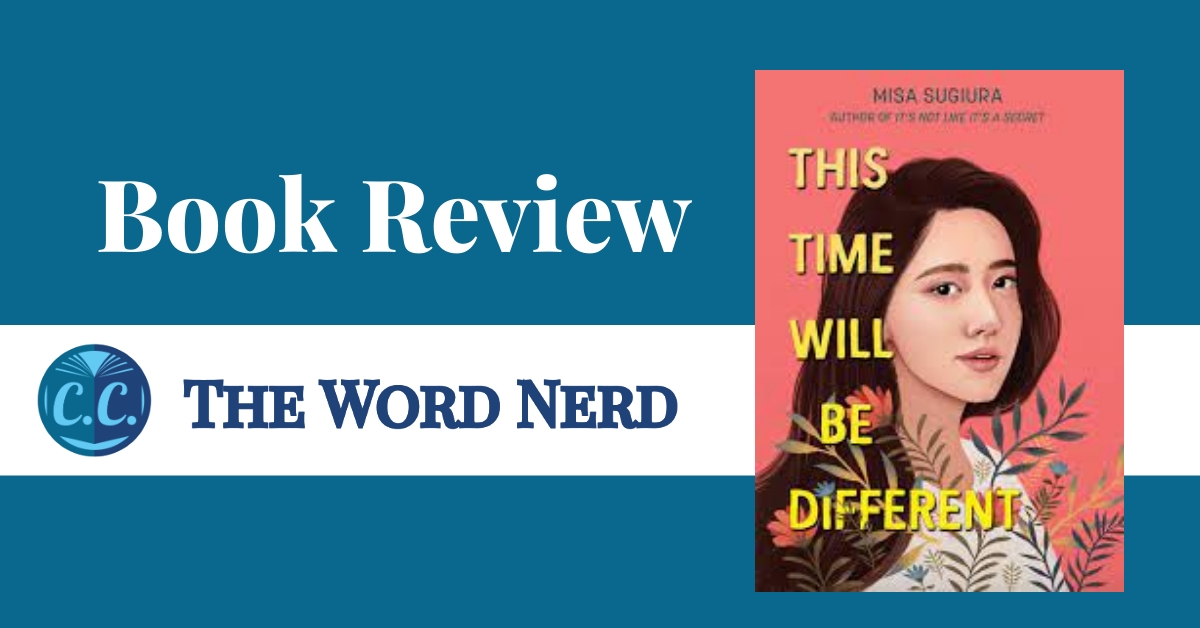
Book Review: This Time Will Be Different

Too many subplots and the protagonist’s lack of personal development kept this book from reaching its potential.

This Time Will Be Different by Misa Sugiura

Another book from one of those blissful trips to Barnes & Noble where my grandmother and great aunt spoil me even though I’m way too old for that.

Cover Description

“Katsuyamas never quit, but seventeen-year-old CJ doesn’t even know how to get started. She’s never lived up to her mom’s type A ambition, and she’s perfectly happy just helping her aunt, Hannah, at their family’s flower shop...She’s finally found something she might be good at.

Until her mom announces she’s planning to sell the shop—to the McAllisters, the same people who swindled CJ’s family, and many others, out of their property when Japanese Americans were sent to internment camps during World War II. Suddenly a rift threatens to splinter CJ’s family, her friends, and their entire Northern California community. And for the first time, CJ is finding the strength to step up and fight.”

Note

This book tackles the relevant and politically sensitive issue of redressing historical wrongs. Do not confuse my review of this book with my view on the issue. To be honest, I’m not sure how I feel about this book. To reflect my mixed feelings, I will structure this review differently from my previous reviews.

Characters

Things I liked

  • CJ is not a violin-playing math prodigy like 99% of other Asians depicted in books/movies/TV shows. I appreciate the author’s combating the model minority stereotype.
  • The beautiful popular people are decent human beings. The book does not fall into the Mean Girls trap of making villains of the social elite. They make hurtful mistakes, yes, but they are well-rounded characters whose motivations, however misguided, are understandable. I also love the author’s use of the hashtag #winning to describe them.
  • CJ’s family members all react to the situation differently. I love how even though each family member has strong opinions, they still love and support each other.
  • Owen. I can’t help falling for the nerdy history buff.

Things I didn’t like

  • CJ’s growth arc is both erratic and flat. CJ tackles so many internal personal issues it’s exhausting even to list them—letting go of her bitterness toward the #winners, navigating relationships with guys, smoothing the friction in her mother-daughter relationship, discovering her own passions, developing her identity as a Japanese American, and deciding how her family history affects her present. Each issue could be a book by itself. By cramming all of them into one story, the author ensures CJ makes minimal progress in any of them.
  • Lack of long-lasting transformation. CJ went from unenthused and mediocre to passionate and motivated to disillusioned and directionless. Even that arc was lost in the mix of all the other issues pushed in the plot. At the end, she still doesn’t know what she wants to do with her life.
  • CJ comes off as a passive character. Many of her actions/reactions are downright petty. Yes, she is like many teens in that she is caught in a whirlwind of confusion, but by the end of the book, she should have grown more in at least one area.

Plot

Things I liked

  • Focus on the protagonist. Even while addressing a wider issue that applies to many people groups across the country, the author maintained the focus on CJ’s family and their diverse reactions.
  • Finding Similarities. I liked how the author explained the concept of “white savior” by comparing racism to homophobia and by providing the example of a straight ally monopolizing a Pride rally. In that context, it was a great example.
  • SPOILER ALERT: I like who CJ ends up dating.

Things I didn’t like

  • Too many subplots. As I mentioned above, too many things happen at once to develop all of them.
  • Emphasis on CJ’s previous sexual exploits. While the subplot provided minor additional characterization of the mother-daughter relationship, it had minimal impact on the overall plot and was mostly an afterthought.
  • Suguira tried to advocate for too many things at once. Life is complicated, and I agree that different issues intermingle, but this book had so many hot button political feuds raging at once, none of them had any power. Suguira wasn’t telling a story; she was preaching. The book read more like a bunch of shallow slogans marching by at a political protest than a heartfelt conversation about issues that affect real people. I couldn’t care about the issues because I wasn’t given time to process how they affected the characters. I couldn’t care about the characters because the author bogged down the story with messaging rather than developing them into relatable people.
  • Lack of closure. The book focused on CJ’s personal development, so I liked that the author left some loose ends with the larger issues. However, the lack of transformation in CJ meant the ending fell flat. Had CJ developed a defined sense of who she was and what she wanted, the last chapter would have satisfied readers. As written, it lacks closure.

Writing Style

The author’s witty and ironic voice fits with her protagonist and speaks well to modern teens. Her use of hashtags throughout the prose added a touch of pop culture relevance.

Other

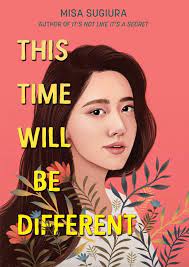
The cover. The cover is the reason I bought the book. My grandmother is a gardener, so flowers immediately catch my attention. The cover communicated the genre well and included a nod to the “flower magic” in the book. I love learning about flower symbolism and had already been researching it before I bought this book. The author includes a list at the end to help readers keep track.

The history. I love history, and I would have liked for this story to be told with parallel timelines, bouncing back and forth between CJ’s grandfather’s experience and her own. This would have provided unfamiliar readers with the historical context. Experiencing the oppression through CJ’s grandfather’s tale would allow readers to better relate to CJ’s anger.

Conclusion

This book tried to do for Japanese Americans what The Hate You Give did for Black Americans, but too many subplots and CJ’s lack of personal development led to it falling far short of the mark. While I liked many aspects of this book, I’d recommend others first.


Want more book reviews? Click HERE to subscribe!


If you want to read and form your own conclusions, you can purchase the book from Amazon buy clicking the image below*

Similar books I would recommend instead

Read My Review

Read My Review

Read My Review


*The above links are Amazon Affiliate links, meaning I earn a small commission if you purchase through them.

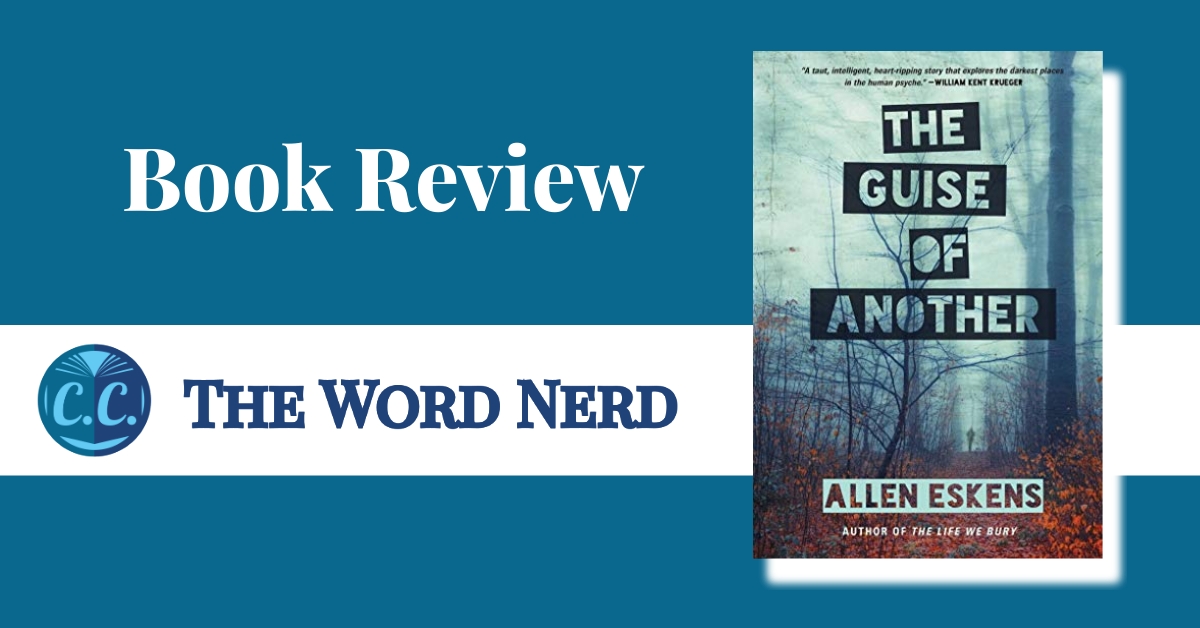
The Guise of Another: Book Review

My grandmother likes to support local authors, so she included his book in the pile she loaned to me.

The Guise of Another by Allen Eskens

My grandmother likes to support local authors. Allen Eskens is a Minnesotan, so she included his book in the pile she loaned to me. Another of Grandma’s favorite authors, William Kent Krueger, wrote a blurb for it, so I thought I’d give it a read.

Description

After plummeting from his Medal of Valor to his punishment in the Frauds unit, Alexander Rupert doesn’t feel like a cop anymore. His fellow detectives spurn him for allegedly taking money from a drug lord, and a grand jury holds the ax over what remains of his career. To top it off, his wife may be having an affair, but Alexander distracts himself with a single question: Who was James Putnam?

The complex identity theft case rekindles his passion for investigation and gives him hope for redeeming himself, but when the truth puts him in the path of a trained assassin, his last hope may be the older brother whose help he’s rejected since his demotion.

Characters

Observant, single-minded, and a tad stubborn, Alexander fits the typical detective profile. While heroic enough to earn the reader’s sympathy, his character flaws engender credibility. The other characters are distinct enough to carry the story but not especially memorable. The villain’s backstory and motives are clear.

Plot

The plot centers the larger case rather than the stolen identity, which is solved quickly. Alexander’s personal problems add pressure as the case builds tension and raises the stakes. The twists at the end weren’t entirely unforeseeable, but I liked them nonetheless. Overall, the pace matches the genre. I finished the book in two days.

I admit, I liked the ending. I found it refreshing, but I could see how some readers would hate it.

Writing Style

Eskens alternated perspectives between the two brothers and the villain, which didn’t seem necessary until the end. He writes with sufficient detail, but at times adds extraneous notes that are unnecessary when writing in close third person point of view.

Eskens is not afraid to kill off characters I thought would play a larger role in the story, which I also liked. No plot armor here, folks.

Miscellaneous

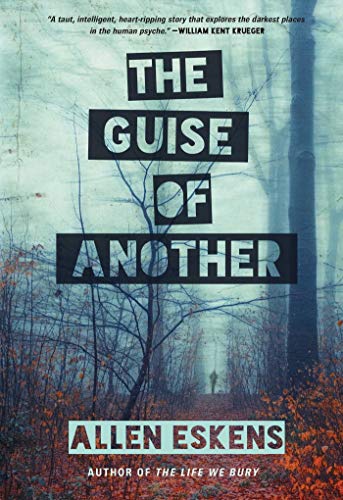
The cover only makes sense once you reach the ending.

Conclusion

The Guise of Another tells the story of a detective pursuing redemption. His flaws hinder him as much as the antagonist does, and the competing motives create intrigue. The mystery’s high stakes keep readers engaged even as Alexander’s personal life dissolves. Overall, a good, quick read for fans of police procedural thrillers.

WANT MORE BOOK REVIEWS? CLICK HERE TO SUBSCRIBE!

CLICK THE IMAGE TO PURCHASE FROM AMAZON*

The Guise of Another

You may also like

*The above links are Amazon Associate links, meaning that I earn a small commission if you purchase through them.

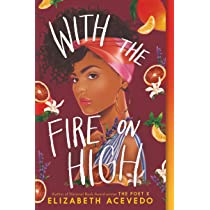
Book Review: With the Fire on High

I enjoyed the story, and I recommend reading it—even if it means abiding by the library’s 14-day new-book deadline.

With the Fire on High by Elizabeth Acebedo

This book flashed on the screen while I was checking the library’s hours on their website. Because of the 14-day deadline, I don’t normally check out recent releases, but I just had to read this one.

Cover Description

“Ever since she got pregnant freshman year, Emoni Santiago’s life has been about making the tough decisions, doing what has to be done for her daughter and her abuela. The one place she can let all that go is in the kitchen. There, she lets her hands tell her what to cook, listening to her intuition and adding a little something magical every time, turning her food into straight-up goodness.

“Even thought she’s always dreamed of working in a kitchen after she graduates, Emoni knows that it’s not worth her time to pursue the impossible. Yet despite the rules she’s made for her life—and everyone else’s rules, which she refuses to play by—once Emoni starts cooking, her only choice is to let her talent break free.”

Characters

Emoni is a Boricua Phili girl with magic in her fingers. In the kitchen, that magic not only frees her from current troubles, it connects her with her past and launches her toward the future. With grit and determination, she surmounts challenges none of her peers face. While people rarely think of teen mothers as role models, Emoni definitely is.

While others wonder if Emoni’s Puerto Rican heritage “disqualifies” her from being a “real” black girl, or whether she “counts” as Hispanic if she doesn’t speak Spanish well, Emoni is sure of herself. Her confidence in her identity is refreshing in a genre plagued by identity issues.

Emoni knows who she is, but she doesn’t know what she wants to do with her life. She can’t see past the day-to-day struggles into her dreams for the future.

Michael, the principal love interest, draws the dreamer out of her practical nature. In most YA romantic subplots, the guy is usually too perfect and too persistent to be realistic. This book falls into the same trap, but it is one of the better ones in that regard. Michael’s backstory and the casual nature of their relationship keeps it from getting corny.

Emoni and Michael have great chemistry—another rarity in a genre where good looks is often the only link between love interests. I like that Emoni doesn’t throw herself at him. They develop their relationship at their own pace, on their own terms. More young readers should have role models like them.

Plot

Emoni isn’t sure what she wants to do after graduation. Much of the plot is her discovering what she wants. Rather than hooking the reader with constant tension and heart-pounding drama, this book champions the everyday struggles of being a young mother, and I applaud the author for that. So often we overlook how much goes into just keeping a roof over your child’s head.

Not a thriller, but perfect for curling up on the couch.

Writing Style

Poetic

I love reading books written by poets. Acevedo has a beautiful way of expressing herself. This is one of my favorite passages:

“Although my food still doesn’t give me any memories, it has always been looking back; it’s infused with the people I come from. But it’s also a way for me to look forward: to watch the recipes that from my roots transform, grow, and feed the hungriest places inside of me.”

Italics

The author chose not to italicize the Spanish words throughout the English text. This is a common trend among Latino authors, especially Junot Díaz. These authors consider italicizing othering. By writing both Spanish and English words in plain text, the author asserts both languages are a part of the same person, both equal and integral to their identity.

Personally, I prefer italics. I think maintaining plain text flattens the prose, limits characterization, and hinders readers who are first learning to read in a second language. Italics provide needed clarity between false-cognates and help the reader’s narrating mental voice pronounce words correctly. I could devote an entire blog post to this topic, but let me end with this:

While I prefer italics, I understand the author’s justification for not using them, and I respect her choice. My reasons for preferring italics are linguistic rather than socio-political, but I understand that we live in a divided world plagued by racism and xenophobia. If the author feels plain text combats othering, I support her, even as I dream of a world that celebrates differences rather than ostracizing them.

Miscellaneous

Love the cover.

Conclusion

While it lacks the thrills and dramatic tension of other books, With the Fire on High is a beautiful read. Emoni’s hard work and determination make her a great a role model. I enjoyed the story, and I recommend reading it—even if it means abiding by the library’s 14-day new-book deadline.


Want more book reviews? Click HERE to subscribe!


Click the image below to purchase from Amazon*

With the Fire on High


You may also like:

Read My Review

Read My Review

Read My Review


*The above links are Amazon Associate links, meaning I earn a small commission if you purchase through them.

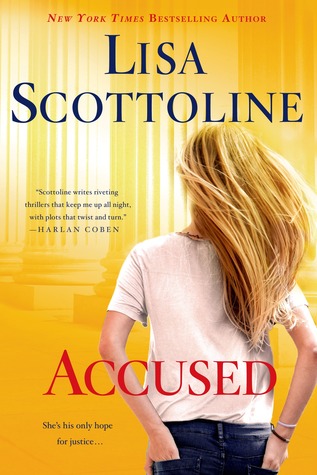
Book Review: Accused

I didn’t realize this was part of a series, but it reads well as a standalone.

Accused by Lisa Scottoline

Another book from the Library of Grandma. I didn’t realize this was part of a series, but it reads well as a standalone.

Description

Mary DiNunzio hasn’t gotten used to thinking of herself as partner at Rosato & Associates. Doubts and insecurities still plague her, amplified further when her boyfriend wants to take the next step in their relationship. Still reeling from all these changes, she encounters her most unusual case yet, brought to her by a thirteen-year-old genius from one of the area’s wealthiest families. The client, Allegra, has two obsessions: beekeeping and her older sister’s murder. She believes the man the police jailed is innocent, and hires Mary to find the real killer. Content with the closure they received six years ago, Allegra’s powerful family opposes re-opening the case, but Rosato & DiNunzio can never resist an underdog. Was justice served all those years ago? Mary will risk everything to find out.

Characters

Lawyers are often depicted as stiff and self-assured, but Mary is refreshingly insecure and friendly. I admit I lost patience with her, but she comes around in the end. Her boyfriend, Anthony, is disgustingly perfect and unrealistic. The rest of the characters, however, represent a realistic array of personalities and backgrounds. I especially loved the scene where the Tony’s get into mischief. The book is worth reading for that scene alone.

Plot

A typical mystery, the plot weaves through false starts and dead ends at a pace fast enough to maintain tension, but not too fast for the reader to follow. Mary encounters many obstacles—legal, personal, professional—which she overcomes or cannot overcome like any human.

Writing Style

Scottoline writes in great detail, sometimes a little too much, but I liked that many of the seemingly irrelevant passages proved critical to solving the case.

Conclusion

With many red herrings and both personal and professional obstacles, Accused creates an intriguing mystery. Far from the stoic lawyer often portrayed, Mary is personable, and her family heartwarming. A great read for people interested in legal mystery crossed with women’s fiction.

WANT MORE BOOK REVIEWS? CLICK HERE TO SUBSCRIBE!


CLICK THE IMAGE TO PURCHASE FROM AMAZON*

Accused

You may also like


*The above links are Amazon Associate links, meaning that I earn a small commission if you purchase through them.

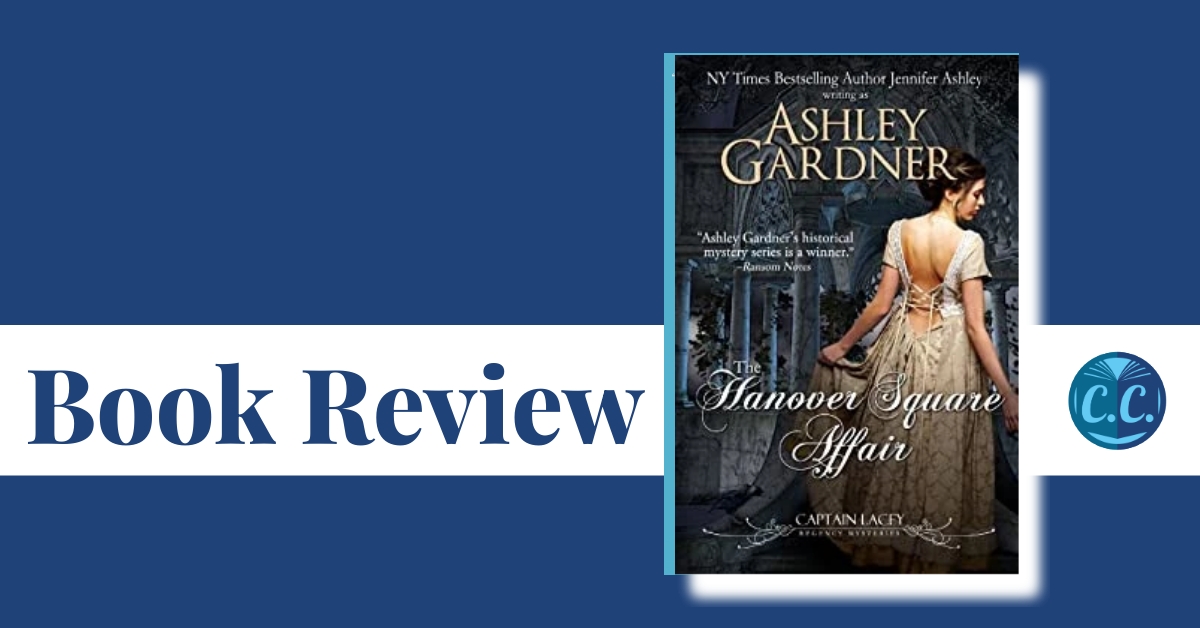
Book Review: The Hanover Square Affair

If you’ve followed this blog for a while, you know my obsession with historical fiction, especially Ruta Sepetys’ work. This is my first foray into historical mystery, and I thoroughly enjoyed the journey.

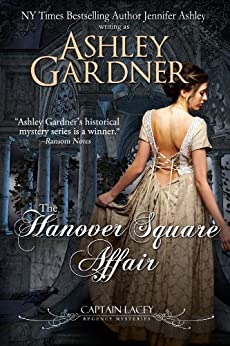
The Hanover Square Affair by Ashley Gardner

Another author recommended this book in her monthly newsletter, so I thought I’d check it out. If you’ve followed this blog for a while, you know my obsession with historical fiction, especially Ruta Sepetys’ work. This is my first foray into historical mystery, and I thoroughly enjoyed the journey.

Description

London, 1816. Cavalry Captain Gabriel Lacey returns from the Napoleonic Wars in forced retirement, but his troubles with his commanding officer follow him home from the peninsula. Burned out, fighting melancholia, and struggling to adjust to civilian life, his interest sparks at the case of a missing girl. Investigating her disappearance brings him into a dangerous world of murder and corruption. To solve the mystery, Lacey will need to draw upon his friendships at every level of the social hierarchy—from celebrity gentlemen to a street girl of Covent Garden.

Characters

Lacey exemplifies the flawed protagonist. He holds grudges for eternity, but losers his temper in a flash, and he doesn’t hesitate to break boundaries—and bones—to get the information he needs. However, his backstory earns the reader’s sympathy, and his stubborn sense of honor toward women represents a characteristic much desired but little portrayed in modern media. He is such a deep character, I can see how the author built a sixteen-book series from him.

The other characters each possess distinct and vibrant personalities, each with their own motivations that drive their behavior, especially their mistakes. Unlike many books, Gardner does not reduce her minor characters to comic relief. Rather, she offers a realistic slice of humanity, including both the beauty and hideous nature of real people.

Plot

I have been binge reading fast-paced sci-fi and fantasy lately, so this represented a brake-screeching slow down for me. Objectively, I think the pace is slower than the average contemporary tale, but readers of historical fiction will find themselves at home.

The story navigates misdirection and twists to reveal the depths of political intrigue and underworld corruption that rivals that barbarity Lacey witnessed on the battlefield. The threat to the missing girl and Lacey’s gradually revealed backstory provided enough drama to maintain my interest throughout and moved the plot along well.

Writing Style

Gardners rich descriptions and vivid setting made me feel like I was watching a movie with a billion-dollar set and costumes budget without slowing the pace. She masterfully used the weather to set the mood for the grim tale, and each character’s interaction with Lacey brought out a distinct part of his personality and backstory.

Miscellaneous

  • Usually when I read a mystery, I try to guess the ending, but this author didn’t offer enough clues for that. This is my first historical mystery, so I am unsure if this is genre-typical. I was reading for relaxation, not to stimulate my brain, so I didn’t mind that the book read more like a story gradually unveiled than a who-done-it. I enjoyed it, but readers accustomed to contemporary mysteries may need to adjust their expectations.
  • A warning to sensitive readers, this book ventures into the darker aspects of human nature. The truly horrible things occur “off-the-page,” but the story touches on some awful themes.
  • A woman in a pretty dress is standard for historical fiction covers, but it was irrelevant to the book’s content.

Conclusion

With a vividly descripted setting, rich cast of characters, and flawed-but-sympathetic protagonist, Gardner creates the perfect environment to pull readers through the mystery of the missing girl. She effortlessly captures the depth and breadth of human motivations and flaws while building intrigue and tension that lasts throughout the story. Highly recommend for readers of historical fiction who enjoy some mystery and aren’t afraid to venture into the darker side of 1816 London.

WANT MORE BOOK REVIEWS? CLICK HERE TO SUBSCRIBE!


CLICK THE IMAGE TO PURCHASE FROM AMAZON*

The Hanover Square Affair

You may also like


*The above links are Amazon Associate links, meaning that I earn a small commission if you purchase through them.
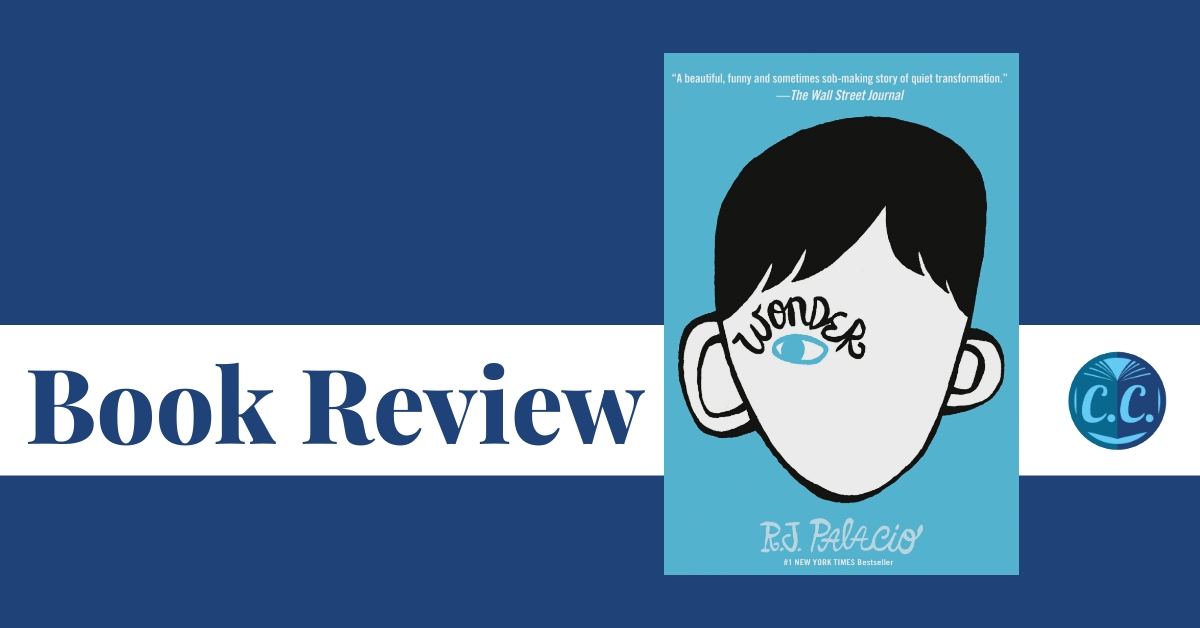
Book Review: Wonder

During what are already some of the toughest years of human development, Auggie faces the additional challenge of being labelled “different” because of a craniofacial abnormality.

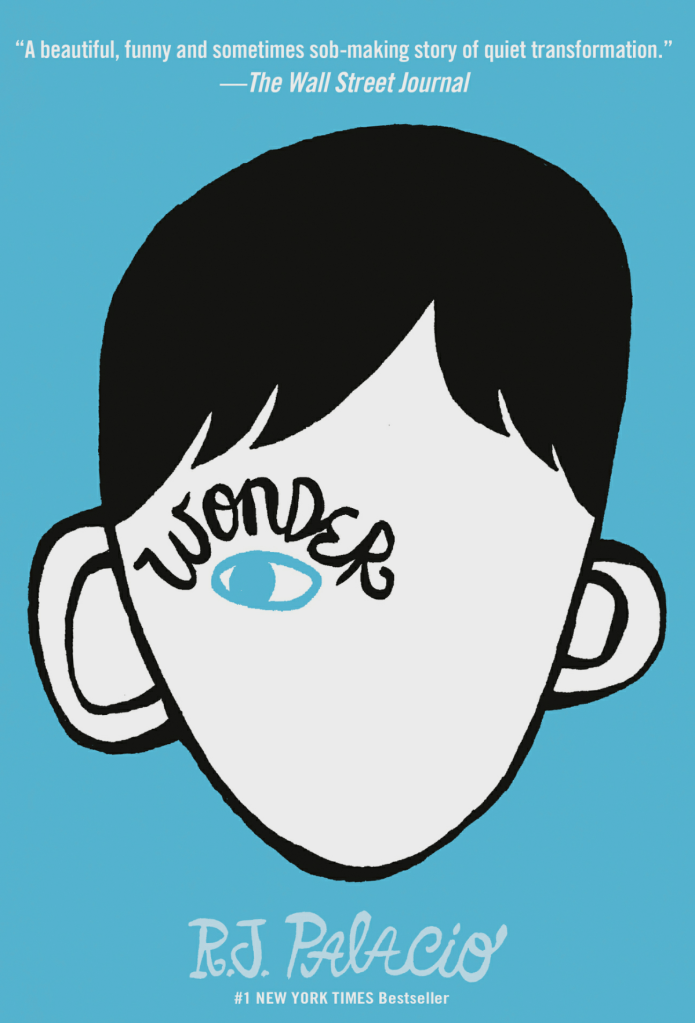
Wonder by R.J. Palacio

Another author recommended I read this charming middle grade book, and I was pleased the library had it available right away.

Description

After years of home schooling, August will attend fifth grade at a private school. All he wants is to be accepted for the Star Wars-loving Xbox champion he is, but he was born with a facial abnormality he describes as “Whatever you’re thinking, it’s probably worse.” Can he convince his new classmates that he’s just like them?

Characters

Smart, funny, and just the right amount of quirky, “Auggie” stole my heart from the first page. He takes everything in stride and is quick to forgive, as children often are. Adults could learn a few things from him.

The story follows Auggie’s journey through the fifth grade, but it rotates perspectives to include his family members, friends, and even his sister’s boyfriend. Auggie’s situation affects all of them in different ways, and each character presents an honest account of their experiences.

I love that the author didn’t overdramatize everything. Even the “villains” behave like normal human beings you’d expect to meet on the street. As I read, I kept thinking, “Yep, I’ve met parents like that.” This book isn’t a soap opera; nor is it a portal to another dimension. It’s a mirror, and I saw myself reflected in every character, even when they didn’t respond as they should.

Plot

Auggie faces all the typical middle-school trials: making new friends, misunderstanding said friends, dealing with bullies . . . even a trip away from home. These trials, however, are exacerbated by his situation, which brings out the best, and worst, in his classmates.

Writing Style

Palacio writes with a clean, simple style in short chapters appropriate for a middle grade audience. Each perspective character is unique, and she makes some additional stylistic choices (like not capitalizing) to add further distinction. The book was partially inspired by a song, so the author sprinkled song lyrics and quotations throughout the prose.

Conclusion

During what are already some of the toughest years of human development, Auggie faces the additional challenge of being labelled “different.” This heartwarming story relates the trials he overcomes as well as the effect he has on others. Auggie may be an ordinary kid on the inside, but the impact he has on his family, classmates, and the school staff make him a true wonder. A quick, charming read, I would recommend Wonder for all ages.

WANT MORE BOOK REVIEWS? CLICK HERE TO SUBSCRIBE!


CLICK THE IMAGE TO PURCHASE FROM AMAZON*

Wonder

You may also like

Stuck in Neutral

Another story that portrays realistic attitudes and questions surrounding complicated circumstances. Review pending.

Say What You Will

Review pending.


*The above links are Amazon Associate links, meaning that I earn a small commission if you purchase through them.
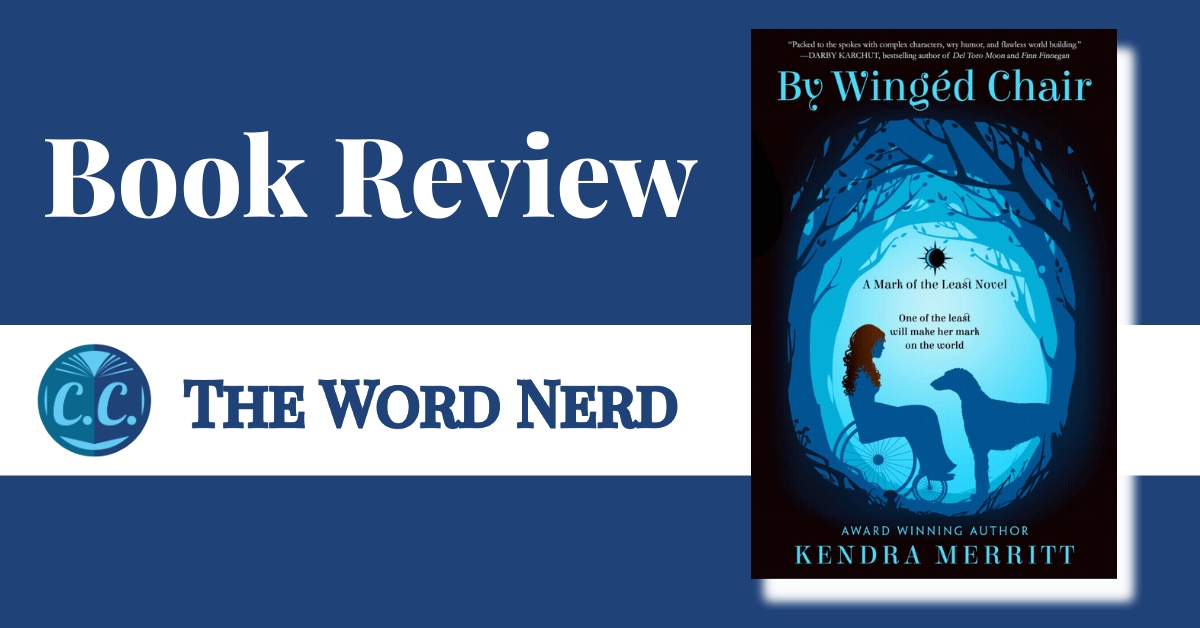
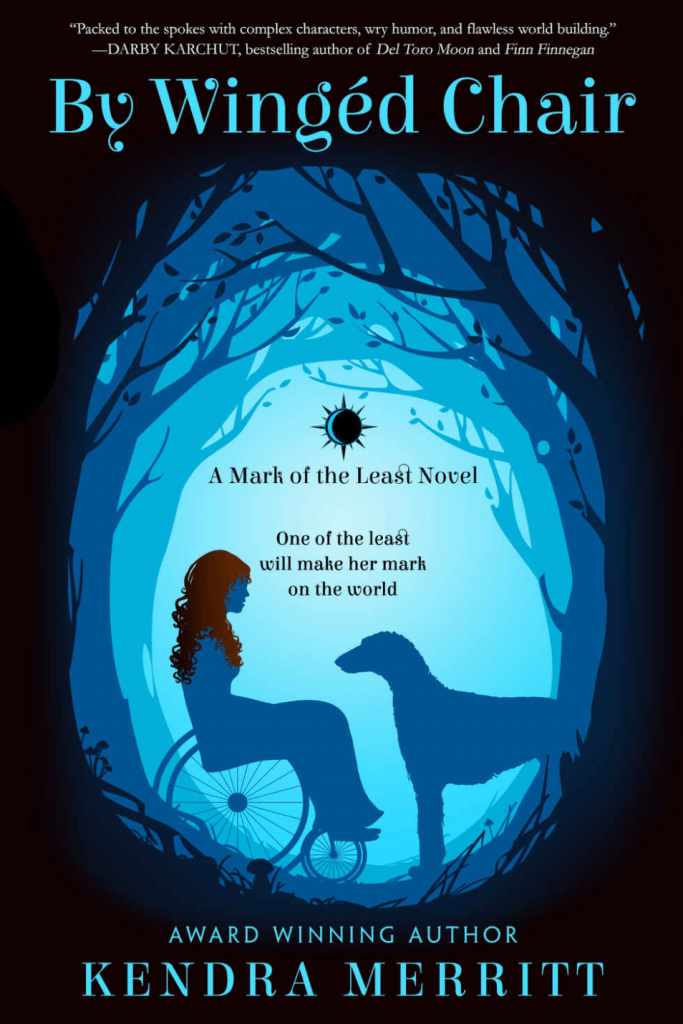
Book Review: By Wingéd Chair

By Wingéd Chair by Kendra Merritt

I’m a huge supporter of my local library, but that doesn’t mean I won’t take advantage of a free trial of Kindle Unlimited when The Big River throws one my way. This book was part of my mad binge-reading during that trial.

Description

Seventeen-year-old Merry has one goal—become a licensed mage—but her tendency to mouth off to anyone who underestimates her because of her wheelchair hasn’t made her boarding school mistresses more willing to write her the necessary letter of recommendation. Instead of heading to the University, she takes the train home to face her father—until a group of corrupt peacemakers and their shape-shifting allies attack. As the daughter of Woodshire’s premier expert in the memory-stealing creatures, she can defend herself. The outlaw mage who “comes to her rescue,” however, drags her into a resistance movement she didn’t know lay in her own backyard. When the creatures decide to take the memories of those she cares about most, she must decide whether returning their memories is worth giving up her chance to earn respect as a mage.

Character

Merry represents a fantastic blend of strength and insecurity. At the outset, she hides her emotional pain behind her sharp tongue and masked expression, but as her confidence grows, she displays her friendly side more often. She never lets anything hold her back, though the author doesn’t shy away from portraying the challenges she faces as a paraplegic. Likewise, the other characters have their own struggles and motivations, especially the leading male, rounding out the cast of misfit outlaws.

Toward the end, the author reveals the villains’ true motivations, which make them seem both more human and more realistic. However, these details were added so quickly, they feel like an afterthought. That said, the process by which the creatures become “good” and “bad” fascinated me. I love the idea that all their small decisions culminate in their final nature.

Plot

The plot, a retelling of Robin Hood, follows Merry as she befriends the outlaws and helps them work against the tyrannical duke and the creatures he is using to steal memories from the populace. The story progresses at a solid pace, with a balance between action and character development. There weren’t any surprising twists, but I enjoyed the journey.

Writing Style

Merritt writes with a good balance between description and action. She evokes the characters’ emotions without wallowing for too long. I felt Merry was a little blind and self-absorbed, but at her age, I was equally introspective. The love-story subplot was appropriate for a young adult audience. I found it refreshing compared to the hypersexualized stories that have flooded the genre in recent years.

Miscellaneous

The author’s Christian allegory was very well done. She successfully wove religious themes into the fantasy world, highlighting the relevance to each character’s development. Though evident immediately, the Christian themes didn’t come across as preachy, and weren’t as obvious as, say, The Lion, the Witch, and the Wardrobe. This book may hold special appeal to Christians, but readers of any belief system—or lack thereof—could enjoy it.

Conclusion

One part Robin Hood, one part Christian allegory, By Wingéd Chair is a delightful fairytale which portrays resilience in the face of suffering. Merry’s personal journey encourages readers to draw strength from their weaknesses, and the well-rounded cast of outlaws provides ample support for the broader theme. I enjoyed this story, and I look forward to reading more.

Want more book reviews? Click HERE to subscribe!


Click the image below to purchase from Amazon*

By Winged Chair

You may also like:

Read My Review

Read My Review

I haven’t written a review on this, but with a nerdy princess and lots of magic/action/romance… let’s just say I loved it. Trust Me.


*The above links are Amazon Associate links, meaning I earn a small commission if you purchase through them. All opinions are my own.