Book Review: The Fountains of Silence

When your criticism of a book is wanting more, you know it’s a good one. If you’re looking for a story to make your heart pound with apprehension and burst with love at the same time, look no further.

These Are a Few of My Favorite Books

Disclosure: This post contains Amazon Associate links, meaning that if you purchase this book through the link in this site, I earn a small commission.

The Fountains of Silence by Ruta Sepetys

“Madrid, 1957. Under the fascist dictatorship of General Francisco Franco, Spain is hiding a dark secret. Meanwhile, tourists and foreign businessmen flood into the country under the welcoming guise of sunshine and wine. Among them is eighteen-year-old Daniel Matheson, the son of a Texas oil tycoon, who arrives in Madrid with his parents hoping to connect with the country of his mother’s birth through the lens of his camera. Photography–and fate–introduce him to Ana, whose family’s interweaving obstacles reveal the lingering grasp of the Spanish Civil War–as well as chilling definitions of fortune and fear. Daniel’s photographs leave him with uncomfortable questions amidst shadows of danger. He is backed into a corner of decisions to protect those he loves. Lives and hearts collide, revealing an incredibly dark side to the sunny Spanish city.” – Amazon Description

Me: Nooooooooo!

My Husband: Are you okay?

Me: I finished the book.

I am not a binger. My husband can watch an entire season of a TV show in one day. I’m lucky to get through half an episode. I say this so when I tell you I binge-read this book, you understand the implications.

Two subjects, whether fiction or non-fiction, never fail to cause an abrupt end to my to-do list: World War II, and La Guerra Civil de España (the Spanish Civil War and subsequent years under El Generalísimo Franco). A summer in Madrid was enough to capture my heart, but not enough to satisfy my curiosity. Alas, student loans kept further study abroad experiences beyond my reach, so I learn vicariously through books.

Many readers know of the Spanish Civil War thanks to Ernest Hemingway’s For Whom the Bell Tolls, but life under the dictatorship is often overlooked. This book fits into the gap, telling the stories of young people who inherited the consequences of the previous generation’s war. Their struggles are no less impactful for taking place in “peace time.”

The setting made this book a guaranteed win for me, but the writing itself gave it the addictive quality of heroin. Originally, I was bummed this book wasn’t written in Spanish. Now I’m glad I read the original English. Sepetys’s prose is a work of art, beautifully constructed. Her entrancing narrative voice presides over the storyline, yet each character’s perspective is unique. For example, she uses the phrase “hair as black as crude oil” when writing in the perspective of the young Texan.

I felt part two wrapped things up rather quickly, but I was okay with that because after part one I was dying for a happy ending. If I had to list a criticism, it would be that the dialogue of the younger characters, Rafa and Buttons, was so similar it made it hard to separate them as distinct characters. Both speak with the boundless enthusiasm of energetic youths, but when the story switches to Rafa’s perspective, we meet a thoughtful young man braving to transcend his troubled history. Other characters note the dichotomy between his past and his carefree personality, but they could have been better blended. I would have also liked to see more of Daniel’s mother’s reaction to conditions in her home country.

When your criticism of a book is wanting more, you know it’s a good one. If you’re looking for a story to make your heart pound with apprehension and burst with love at the same time, look no further. I highly recommend The Fountains of Silence, and I can’t wait to read more from this author.

Click below for the Amazon link!

The Fountains of Silence
Want more book reviews? Click HERE to subscribe!


15 Quotes to Start the School Year

To all my teacher friends, I hope these quotes help you start the year off well.

Borrowed Words: Quotes on Learning

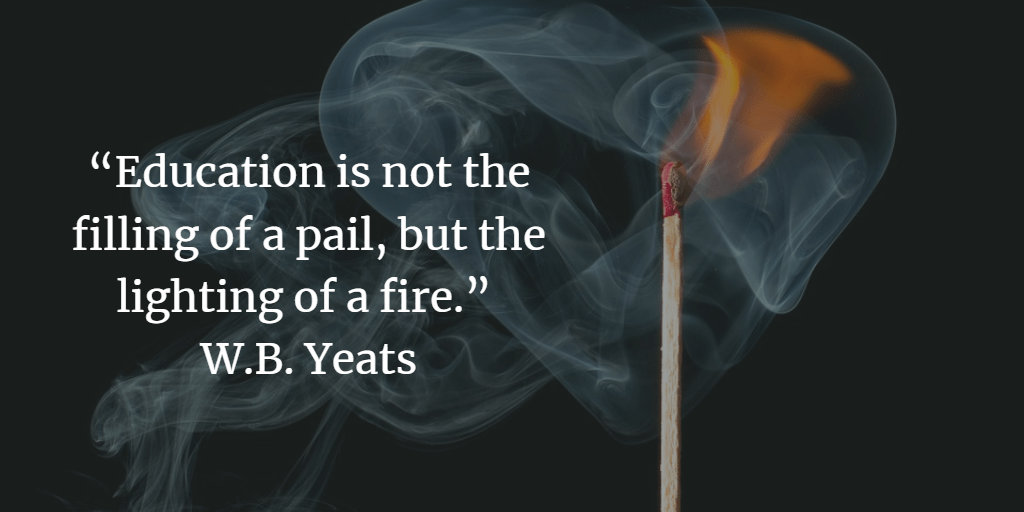
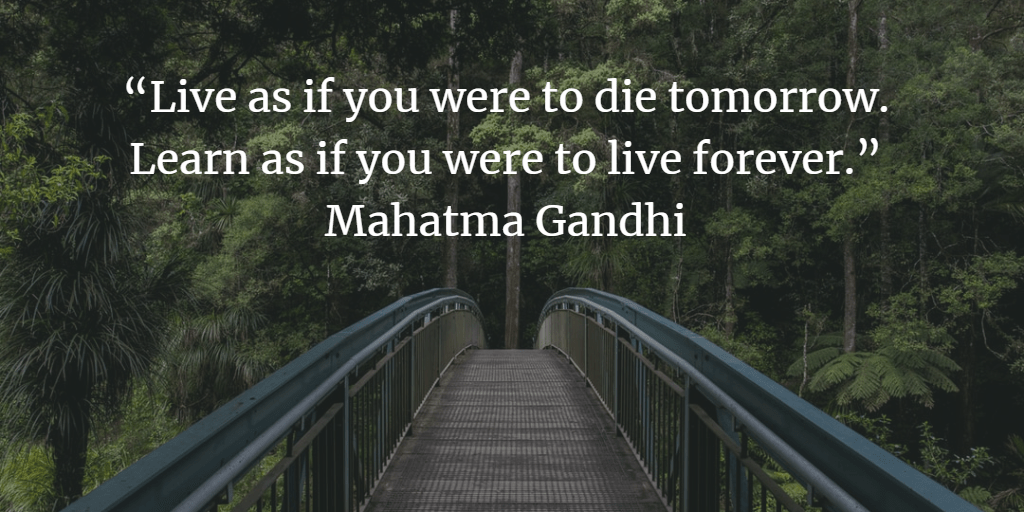
This month I am taking a break from my usual weird word posts and borrowing some inspirational words from others. As a speech-language pathologist in an educational setting, I have acquired a tremendous respect for teachers. They have a challenging, but essential job. To all my teacher friends, I hope these quotes help you start the year off well.

The key is to get the kids thinking learning was their idea 😉

Anyone who teaches kindergarten knows not all questions are on-topic. Turn those moments of distraction into learning opportunities!

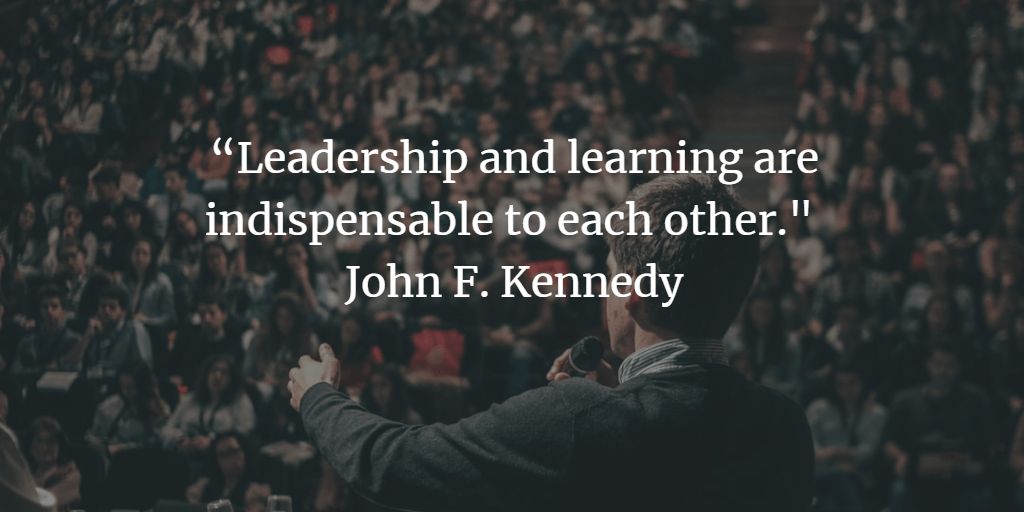
Remember, that snotty kid in the back row could be our next president.

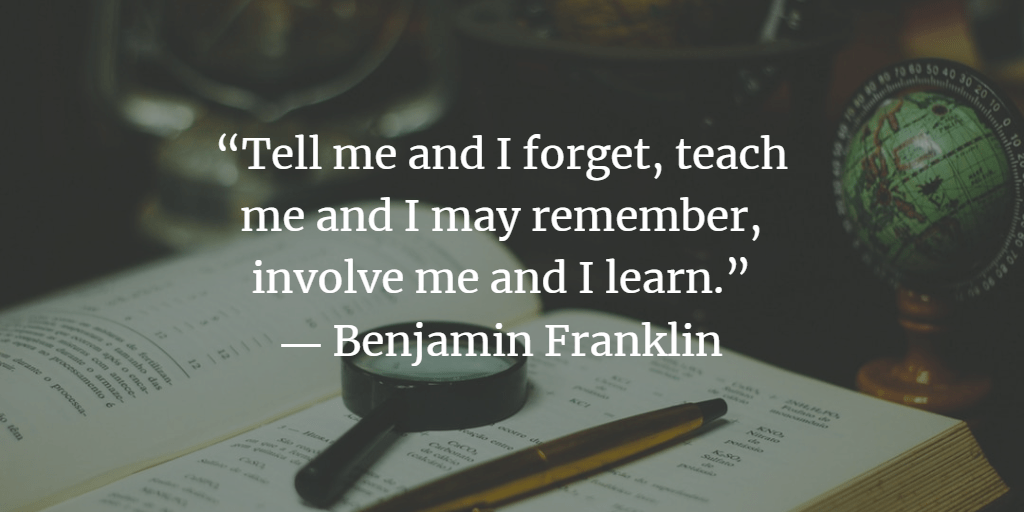
An oft-used quote, but a good one. People learn best when engaged.

When you teach a child, you change their future.

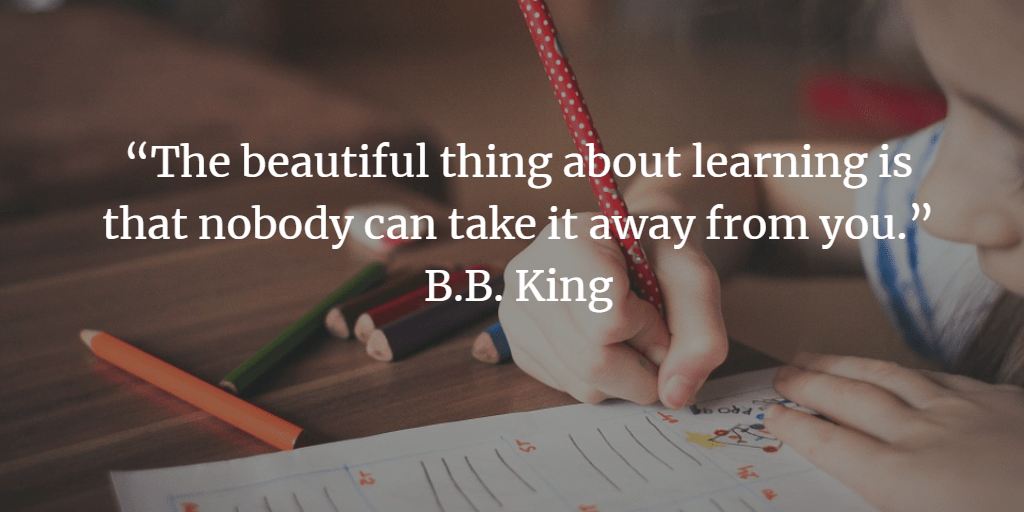
Not only are you changing a child’s future, you are giving them a gift they will keep the rest of their lives. If you’re lucky, they’ll re-gift it to a friend.

My idea of heaven includes a massive library.

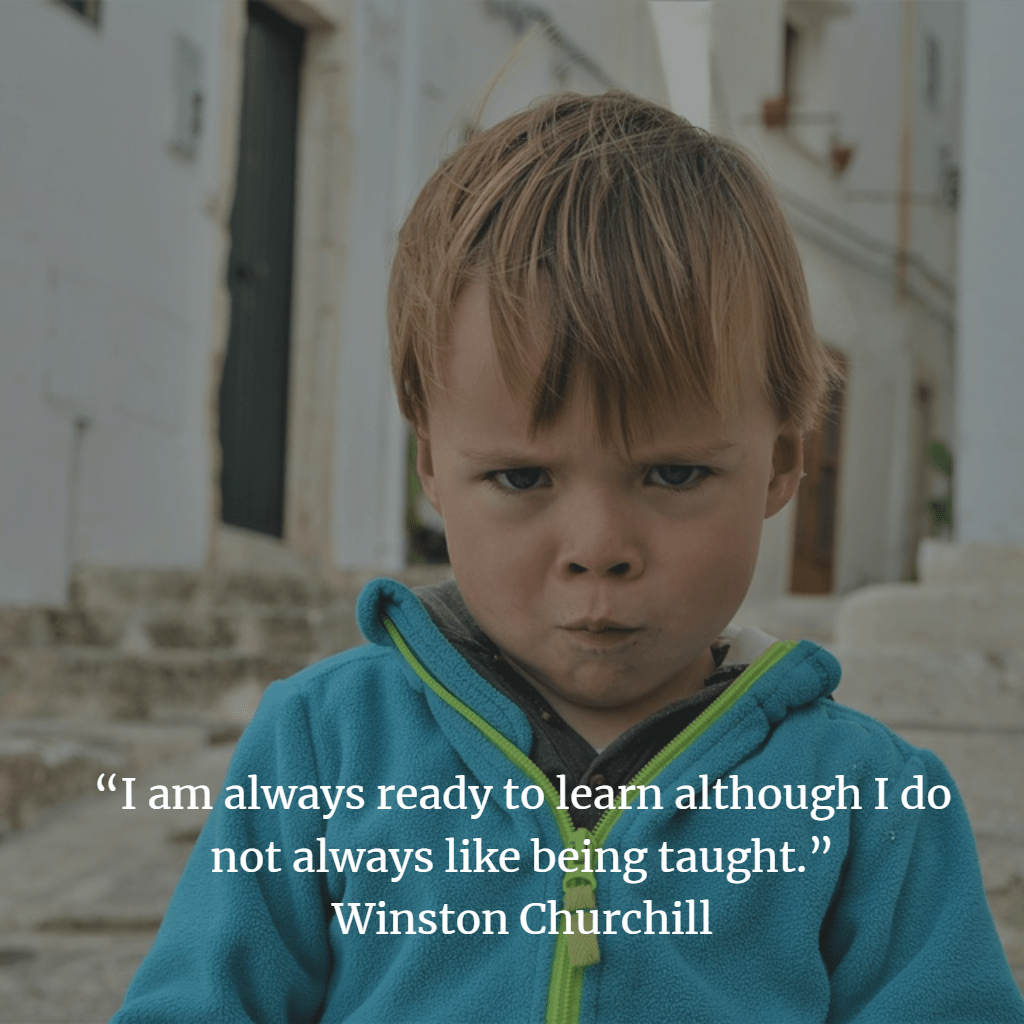
There is always that kid. Winston Churchill was that kid. He read several grade levels above his class, yet he was often failing. Keep that in mind when you get frustrated with a student’s stubbornness.

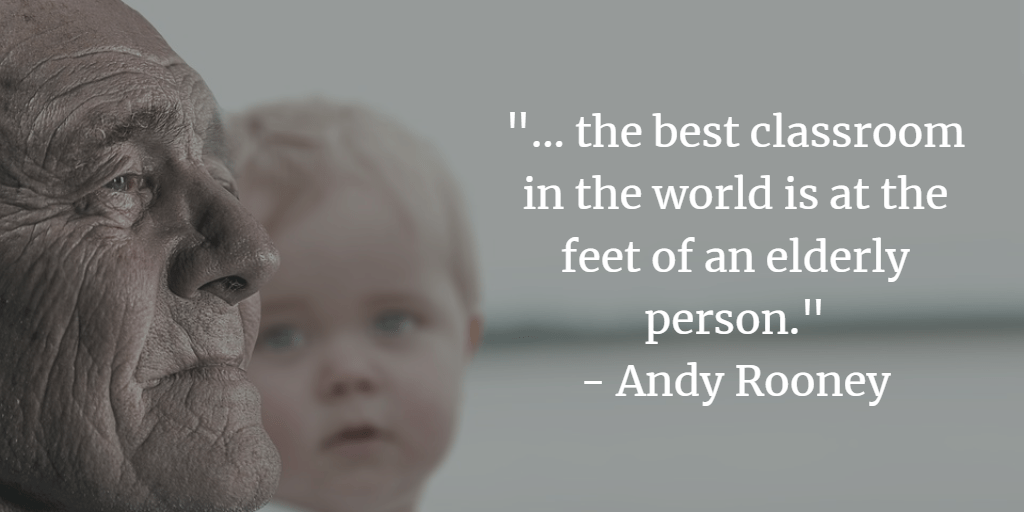
So true. I have learned so much from the elders in my life.

I love this quote because it legitimizes my love of stories. You can’t argue with Einstein.

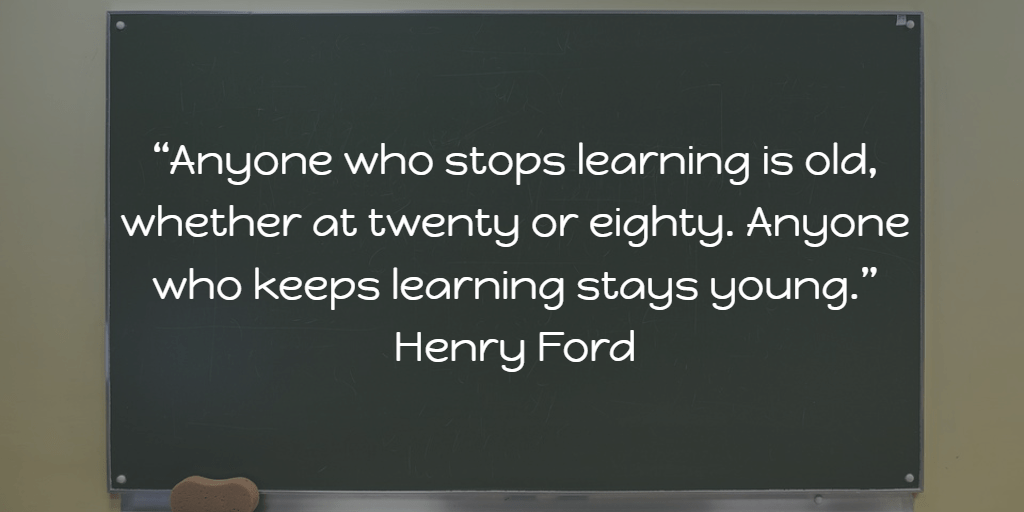
A great reminder that learning never stops.

A wise colleague of mine once said, “The minute you think you know everything is the minute you need to retire.”

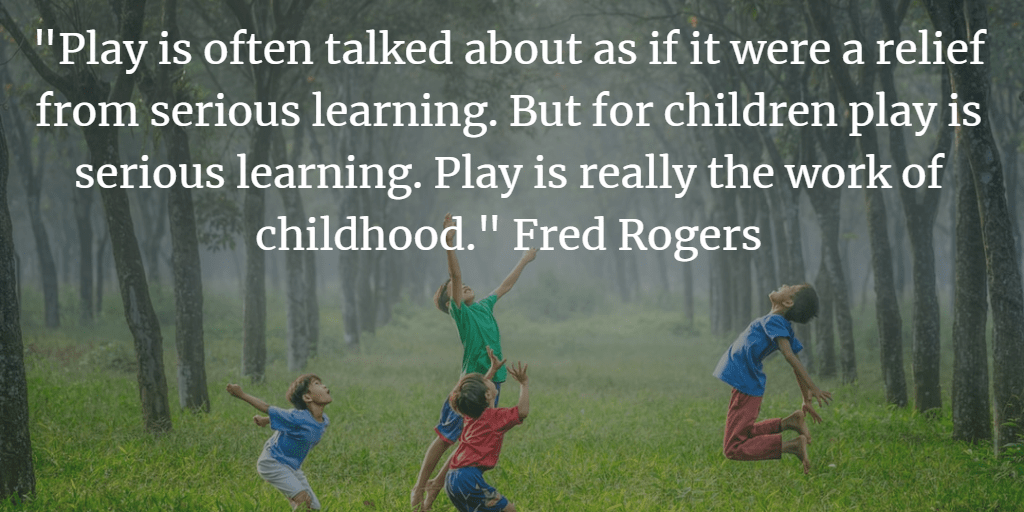
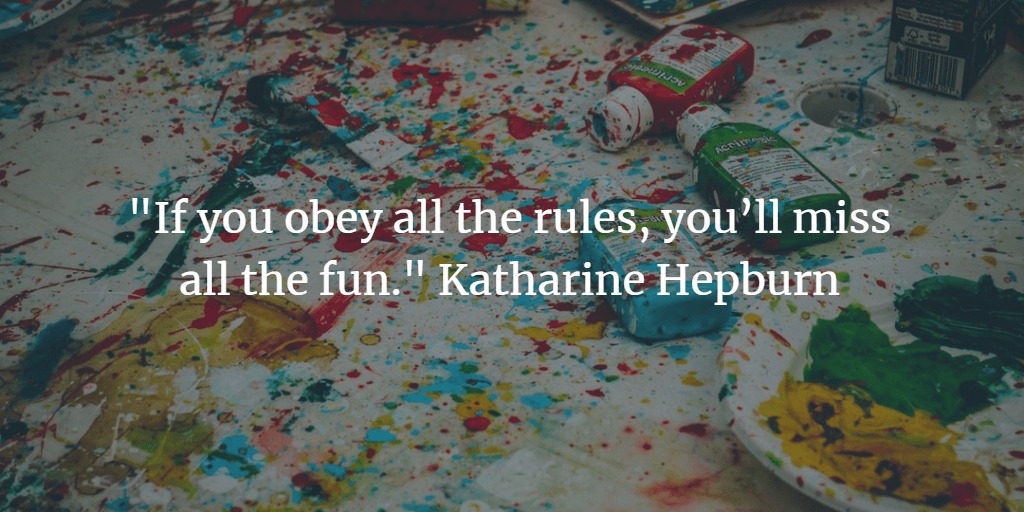
Learning should be fun.

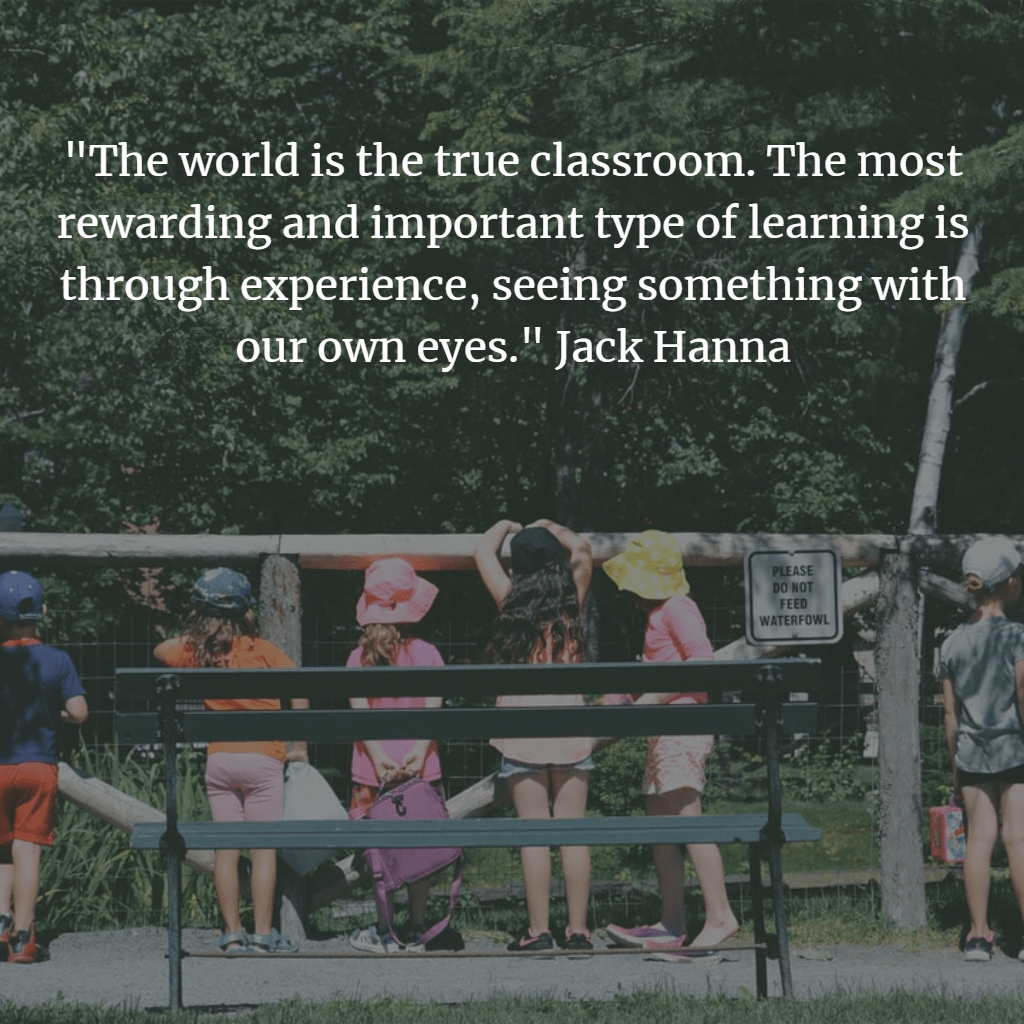
I’ve had the privilege of accompanying some of my students on field trips. They’re exhausting, but I’m amazed at what kids learn by exploring the world outside of school.

Break free from the standardized tests once in a while 🙂


Like what you read? Click HERE to subscribe!

Bad Lip Reading and the McGurk Effect

Lip reading is much harder than the movies make it look. Read on to find out why.

Lip reading is much harder than the movies make it look. The youtube channel Bad Lip Reading pokes fun at this by matching funny lines to lip movements. Watch this clip bellow to get a better idea.

The reason they are able to do this, and the reason lip reading is so hard, is that there are few visual cues for English speech Sounds, and many sounds share the same visual cue. Consider the following:

Pressing the Lips Together

Sounds made by pressing the lips together, or bilabial sounds, include /b/, /p/ /m/.

Lip Rounding

Sounds accompanied by lip rounding include:  /w/ and vowels in the boot, boy, cow, and boat. There is also a little with “sh” and /r/, though /r/ is mild and more puckered.

Lip Spreading

Sounds made by spreading the lips apart include the vowel in “eat.”

Teeth and Lip

Sounds made by contacting the teeth and lip are called labiodental and include /f/ and /v/.

Tongue Tip Behind Front Teeth

If a speaker opens their mouth wide enough, the lip reader can see when the tongue tip touches the bony outcrop behind the front teeth called the alveolar ridge. Sounds produced this way include /t/, /d/, /n/, and /l/. /s/ and /z/ are also made in this location, but the mouth is usually too closed to see them. That closure is necessary to create the friction needed to create those sounds. 

Open Mouth

Sounds produced towards the back of the mouth, /k/, /g/, and to some extent /r/, are accompanied by an open mouth.

How Bad Lip Reading Works

To create a Bad Lip Reading video, the youtuber merely has to watch for the few visual cues described above and match the sounds to them. As long as they choose sounds with the same visual cue, they can substitute almost anything they want. This makes it easy to put words in other people’s mouths.

Before dismissing the importance of visual cues in speech, however, consider the McGurk Effect.

The McGurk Effect

The McGurk Effect occurs when the visual cues don’t match the audio. When this happens, our brains integrate the information, and we perceive a sound somewhere in between. Watch this video, created by professor 
Arnt Maasø at the University of Oslo, twice. The first time, keep your eyes closed. Open your eyes for the second time. 

The first time you probably heard /ba/ because that was the audio. The second time you likely heard something closer to /da/ because your brain integrated the audio for /ba/ with the visual for the /ga/, so you perceived something in between. 

There may not be many visual cues for lip reading, but they are important. Next time you speak to someone who is Deaf or Hard of Hearing, be sure they can see your mouth. 

Like what you read? Click HERE to subscribe.

5 Reasons People Change Their Accents Without Realizing

Over the holidays I was mercilessly teased for my diphthongs. Before you imagine something far worse than necessary, let me clarify that a diphthong is a combination of vowel sounds spoken in one syllable—think the “ah-oo” in “cow.” Minnesota where I was raised, monophthongs predominate, particularly the “long o.” A Minnesotan says boat as “b-oh-t,” where many others would use a diphthong “b-oh-oo-t.”

Only four years after trading Minnesota’s mosquitos for Montana’s mountains, diphthongs have weaseled their way into my speech, much to the amusement of my friends and family. My brother mistakenly characterized my new accent as“twang.” My best friend was closer, saying, “You’re adding extra sounds now.”

As with most areas of speech and language, how and why people acquire a second dialect in their native language is a multifactorial process involving linguistic, social, and developmental factors that the speaker may not even be aware of.*

Efficiency

Human beings are masters at getting what we want, when we want it. If someone with a strong accent has to repeat themselves to be understood, they may change their accent out of sheer frustration. In my case, I was perfectly intelligible to people in Montana (though many initially thought I was Canadian), so my accept convergence resulted from other factors.

Age

OLYMPUS DIGITAL CAMERA

It is easier for young children to learn a second language, or second dialect, than for adults. One study found that white women who befriended speakers of African American Vernacular English (AAVE) at younger ages acquired more speech characteristics of AAVE than those who befriended them when they were older.[1]

However, this does not mean adults are incapable of changing their accents. Another study found that adult Canadians living in New York began to differentiate between the vowels in cot and caught, which would be pronounced identically in Canadian (as well as Minnesotan) English.[2] A third study of Canadians in Alabama found similar findings.[3] Remarkably, you do not have to be a speech-language pathologist or linguist to hear these differences. Just as my brother and friend noticed my use of diphthongs, untrained listeners were able to rate the American-ness in the Canadians’ speech.[4]

Prestige

People are more likely to change their accents if the new accent is considered more prestigious. For example, a person who speaks Appalachian English may useStandard English in the workplace. Another example is newscasters adopting a more standard variety of English to reach a broader audience.

Gender

Generally speaking, women tend to be more linguistically innovative than men.[5] If you want to know what people will sound like in the future, listen to teenage girls. Women also tend to more readily acquire prestige dialects, while men may stick with working-class speech.[6] That being said, as gender roles in society continue to change, this tendency may change as well.

Social Connection and Social Distance

Another reason people change their accents is to be accepted into a social group or to emulate someone whom they admire. Simply put, if I like you, I am more prone to talk like you, and if I talk like you, you are more apt to like me. The reverse is also true. If I don’t like you, I will try to distance myself from you by the way I speak.

This phenomenon extends even to the topic of conversation. When speaking of something related to the first dialect, a hometown, for example, the speaker will be more likely to use that dialect if they have positive feelings toward it. If the speaker hated their hometown, however, they may be more apt to use their second dialect when speaking about it.[7]

As society continues to become more mobile, we are likely to see an increase in the number of bi-dialectal speakers. Acquiring a second dialect is a natural, though complex, process, so when one of your friends or relatives returns from a trip abroad with a bit of “twang,” try not to make fun of them too much.

Like what you read? Click HERE to subscribe.


*Note: I have used the terms accent and dialect relatively interchangeably in this post, but they are different. An accent refers strictly to speech sounds, while a dialect is an entire language variation. For example, Minnesotans refer to sugary, carbonated soft drinks as pop, while someone from the South may refer to them as cokes. This is a dialectal variation that has nothing to do with accent.


[1] Fix, Sonya. “Age of Second Dialect Acquisition and Linguistic Practice Across Ethno-Racial Boundaries in the Urban Midwest,” n.d.,12.

[2] Nycz, Jennifer. “NewContrast Acquisition: Methodological Issues and Theoretical Implications.” English Language and Linguistics, Phonological Mergers in English, 17, no. 2(2013): 325–57. https://doi.org/10.1017/S1360674313000051.

[3] [4]  Munro, Murray J, Tracey MDerwing, and James E Flege. “Canadians in Alabama: A Perceptual Study ofDialect Acquisition in Adults.” Journal of Phonetics 27, no. 4 (October1999): 385–403. https://doi.org/10.1006/jpho.1999.0101.

[5] Trudgill, Peter. “Sex, Covert Prestige and Linguistic Change in the Urban British English of Norwich.”Language in Society 1 (October 1, 1972): 179–95.https://doi.org/10.1017/S0047404500000488.

[6] Nycz, Jennifer. “ChangingWords or Changing Rules? Second Dialect Acquisition and Phonological Representation.” Journal of Pragmatics 52 (2013): 49–62.https://doi.org/10.1016/j.pragma.2012.12.014.

[7] Nosowitz, Dan. “We Asked a Linguist to Explain the ‘Semester Abroad Accent.’” Atlas Obscura, 29:00 500.http://www.atlasobscura.com/articles/are-semester-abroad-accents-real-or-fake.

12 Quotes on Generosity to Remind You of the Real Meaning of the 12 Days of Christmas

This time of year, I like to remind myself that it is the season of giving, not the season of getting.

This time of year, I like to remind myself that it is the season of giving, not the season of getting.

1

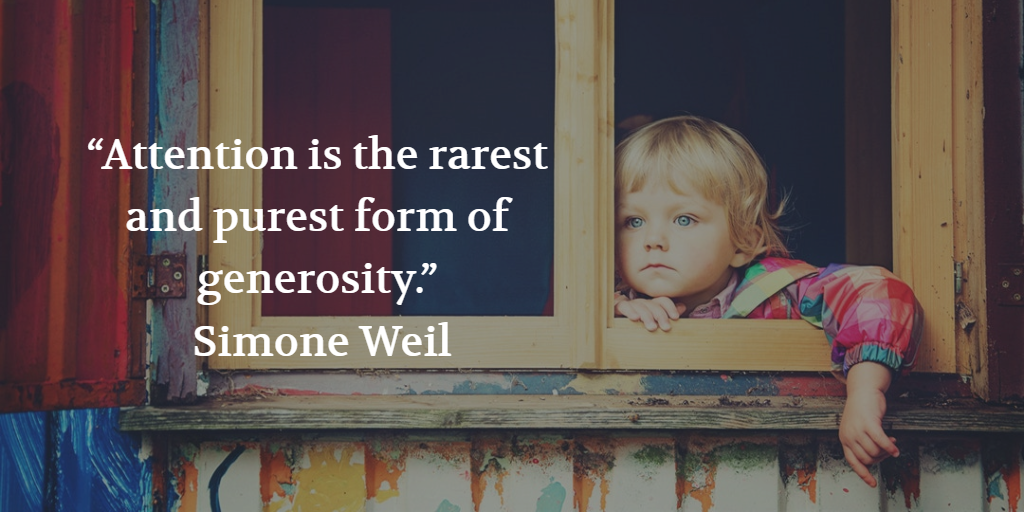
Simone Weil (1909-1943), a French philosopher, was the first woman ever admitted to École Normale. She worked as a factory laborer while teaching philosophy and advocating for workers’ groups. [1]

This quote is a great reminder that generosity is about more than money. Especially in this busy time of year, generosity includes our time and attention as well.

2

Baruch Spinoza (1632-1677) was the son of a Jewish merchant who immigrated to the Netherlands after the Portuguese Inquisition. His work in philosophy paved the way for modern rationalism. [2]

So often in my work, I am reminded that students will not learn anything from me if they don’t first understand that I care about them. 

3


Nathaniel Hawthorne (1804-1864) was an American novelist best known for The Scarlet Letter. [3]

I like this quote’s juxtaposition of generosity with the bolder image evoked by the word justice. 

4

Barbara Bush (1925-2018), wife of President George H.W. Bush, is an excellent example of generosity. She taught Sunday school and volunteered for a local theater group, YMCA, and the United Way. Appalled by the racism she witnessed on a cross-country trip with two African-American women, she became a supporter of the United Negro College Fund. As the daughter of a magazine publisher and mother to a son with dyslexia, she was also an avid supporter of literacy programs.[4]

I often allow minor inconveniences to blind me to the needs of others. This quote is a good reminder that no matter how hurried I am, I can pause to be kind to others. 

5

Winston Churchill (1874-1965) was the British Prime Minister during World War II. He is also the author of more than forty books, and he received the Nobel Prize for Literature in 1953.[5]

Work can be a major source of stress in my life. This is a good reminder that there is more to life than work. 

6

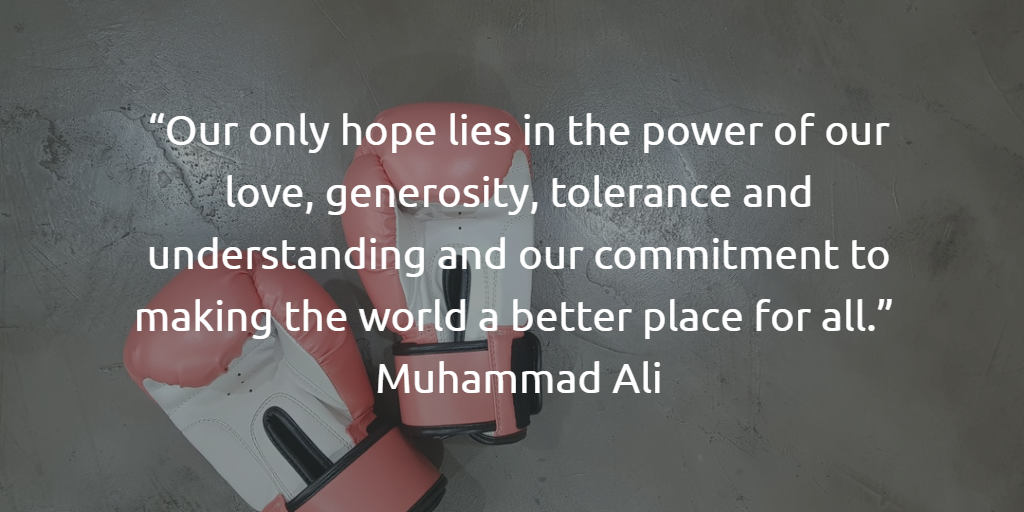
Muhammad Ali (1942-2016) was an Olympic Gold medalist and heavyweight boxing champion. A convert to Islam, he was outspoken on issues of race, religion, and politics. He spent the years following his diagnosis with Parkinson’s disease traveling the world on humanitarian missions. In 2002, he traveled to Afghanistan as a United Nations Messenger of Peace.[6]

Here is a man who made his living beating people up, yet he still had a heart filled with generosity. 

7

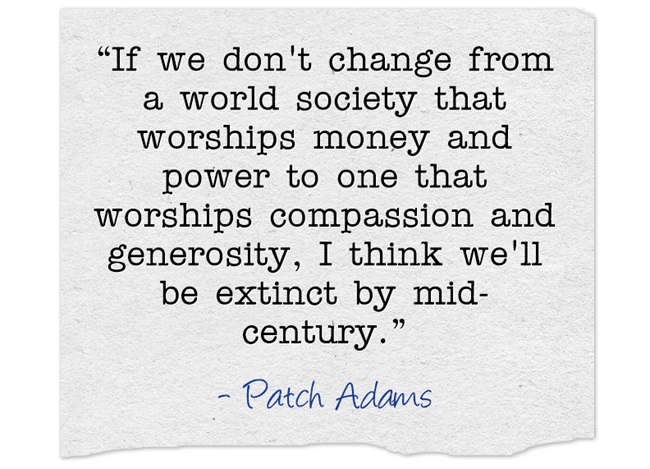
A World War II baby, Patch Adams became a physician and clown whose mission is to serve humanity through medicine. He founded the Gesundheit Institute, which followed a revolutionary model to integrate medicine with performance arts, crafts, nature, agriculture, recreation, and social services. Now a public speaker, Patch Adams was played by Robin Williams in a movie about his life.[7]

This quote is a reminder of the importance of working and growing together. 

8

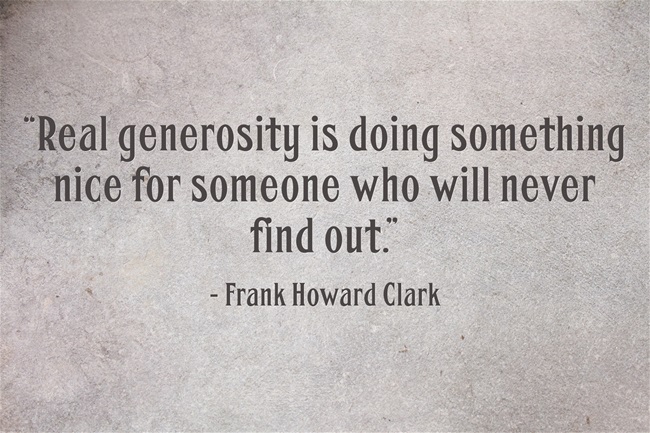
Frank Howard Clark (1888-1962) was an American screenwriter who wrote more than 100 scripts between1913 and 1946.[8]

As a people-pleaser, I am often tempted to be generous to gain the positive feedback from others. This quote is a good motives check. 

9

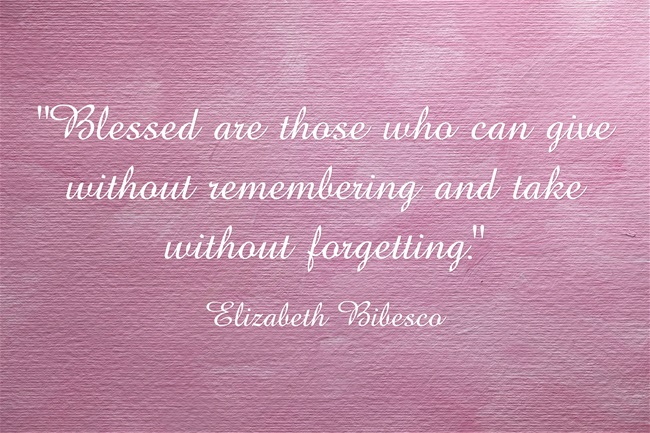
Daughter of a British Prime Minister, Elizabeth Bibesco (1897-1945) was a writer and poet who married Romanian diplomat Prince Antoine Bibesco.[9]

For someone who comes from an extremely generous family, this quote reminds me that how I receive a gift is as important as how I give one. 

10

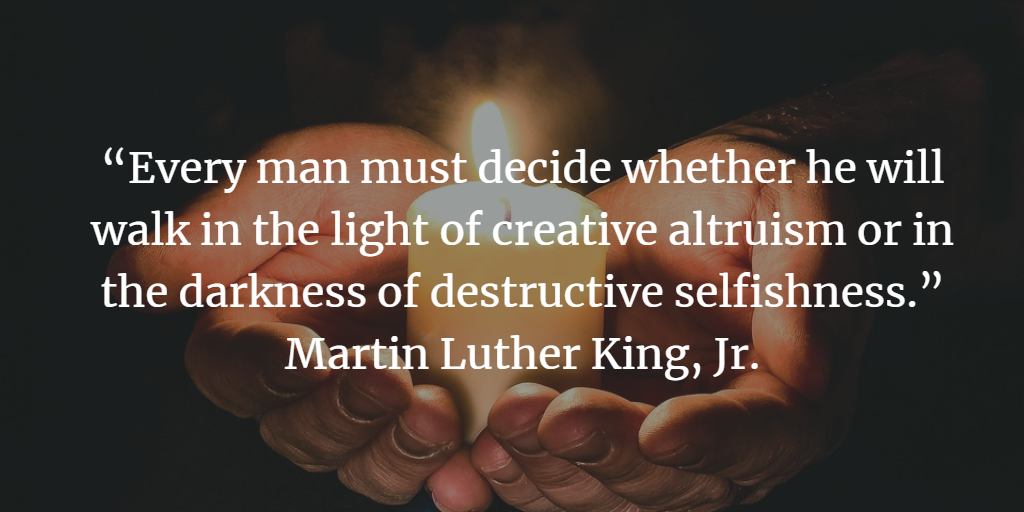
Martin LutherKing Jr. (1929-1968) skipped the ninth and eleventh grades, entering Morehouse College at age 15. He earned his Ph.D. at only 25 years of age and became a Baptist Minister, Civil Rights Advocate, and all-around superhero. He and received the NobelPrize in 1964, four years before his death by assassination.[10]

It’s hard not to be inspired by MLK. This quote is a great illustration of generosity as a choice rather than a personality trait.

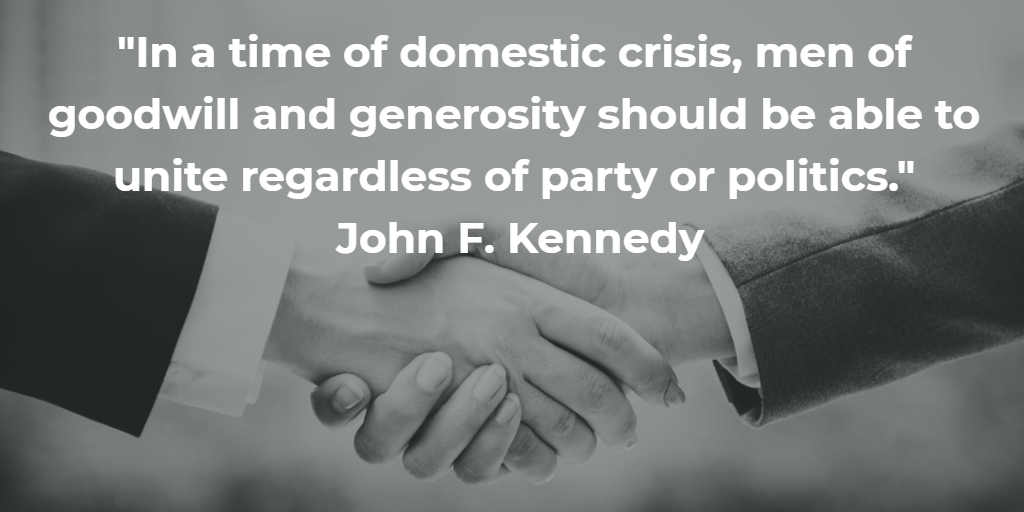
11

JFK (1917-1963) was the youngest man and first Catholic elected President of the United States. The second of nine children, he planned to pursue a career in journalism, and won the Pulitzer Prize in 1957.[11]

As we gather for the holidays with friends and family on opposites sides of the political spectrum, let’s try to find common ground.

12

Oren Arnold (1900-1980) was a novelist, journalist, and humorist known for his wholesome sense of humor.[12]

Things to think about as we finish our holiday shopping. 

Like what you read? Click HERE to subscribe!


1. Rozelle-Stone, A.Rebecca, and Benjamin P. Davis. “Simone Weil.” In The Stanford Encyclopedia of Philosophy, edited by Edward N. Zalta, Spring 2018. Metaphysics ResearchLab, Stanford University, 2018. https://plato.stanford.edu/archives/spr2018/entries/simone-weil/.

2. “Baruch Spinoza -Philosophers.Co.Uk.” Accessed December 1, 2018. http://www.philosophers.co.uk/baruch-spinoza.html.

3. “Nathaniel Hawthorne |American Writer.” Encyclopedia Britannica. Accessed December 1, 2018. https://www.britannica.com/biography/Nathaniel-Hawthorne.

4. “Barbara Bush Biography :: National First Ladies’ Library.” Accessed December 1, 2018. http://www.firstladies.org/biographies/firstladies.aspx?biography=42.

5. “The International Churchill Society -.” The International Churchill Society. Accessed December 1,2018. https://winstonchurchill.org/.

6. Editors, History com.“Muhammad Ali.” HISTORY. Accessed December 1, 2018. https://www.history.com/topics/black-history/muhammad-ali.

7. “Patch Adams.”Gesundheit! Institute. Accessed December 1, 2018. http://www.patchadams.org/patch-adams/.

8. “Frank Howard Clark.” Wikipedia, October 20, 2018. https://en.wikipedia.org/w/index.php?title=Frank_Howard_Clark&oldid=864946585.

9. “Elizabeth Bibesco.”www.librarything.com. Accessed December 1, 2018. https://www.librarything.com/author/bibescoelizabeth.

10. “Martin Luther KingJr.” Biography. Accessed December 1, 2018. https://www.biography.com/people/martin-luther-king-jr-9365086.

11. “John F. Kennedy |Biography & Facts.” Encyclopedia Britannica. Accessed December 1, 2018. https://www.britannica.com/biography/John-F-Kennedy.

12. Arnold, Oren. “Guide to the Oren Arnold Manuscript and Galleys of ‘The Golden Chair’, 1954 MS 023.” Accessed December 1, 2018. https://legacy.lib.utexas.edu/taro/ricewrc/00148/rice-00148.html.