Book Review: This Time Will Be Different

Too many subplots and the protagonist’s lack of personal development kept this book from reaching its potential.

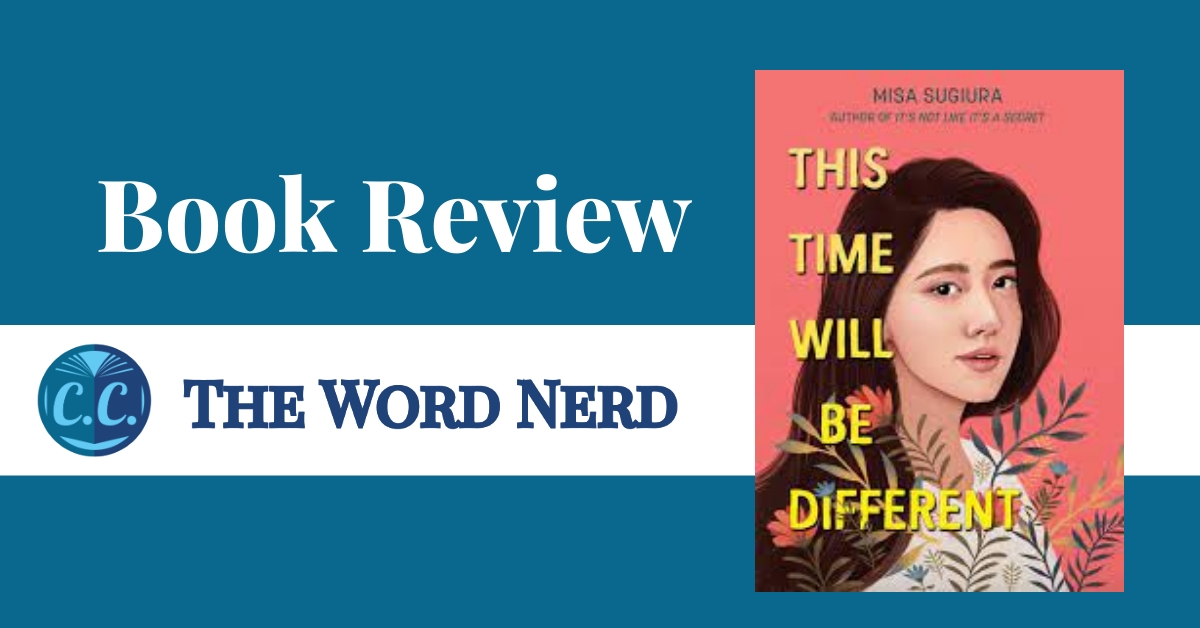
This Time Will Be Different by Misa Sugiura

Another book from one of those blissful trips to Barnes & Noble where my grandmother and great aunt spoil me even though I’m way too old for that.

Cover Description

“Katsuyamas never quit, but seventeen-year-old CJ doesn’t even know how to get started. She’s never lived up to her mom’s type A ambition, and she’s perfectly happy just helping her aunt, Hannah, at their family’s flower shop...She’s finally found something she might be good at.

Until her mom announces she’s planning to sell the shop—to the McAllisters, the same people who swindled CJ’s family, and many others, out of their property when Japanese Americans were sent to internment camps during World War II. Suddenly a rift threatens to splinter CJ’s family, her friends, and their entire Northern California community. And for the first time, CJ is finding the strength to step up and fight.”

Note

This book tackles the relevant and politically sensitive issue of redressing historical wrongs. Do not confuse my review of this book with my view on the issue. To be honest, I’m not sure how I feel about this book. To reflect my mixed feelings, I will structure this review differently from my previous reviews.

Characters

Things I liked

  • CJ is not a violin-playing math prodigy like 99% of other Asians depicted in books/movies/TV shows. I appreciate the author’s combating the model minority stereotype.
  • The beautiful popular people are decent human beings. The book does not fall into the Mean Girls trap of making villains of the social elite. They make hurtful mistakes, yes, but they are well-rounded characters whose motivations, however misguided, are understandable. I also love the author’s use of the hashtag #winning to describe them.
  • CJ’s family members all react to the situation differently. I love how even though each family member has strong opinions, they still love and support each other.
  • Owen. I can’t help falling for the nerdy history buff.

Things I didn’t like

  • CJ’s growth arc is both erratic and flat. CJ tackles so many internal personal issues it’s exhausting even to list them—letting go of her bitterness toward the #winners, navigating relationships with guys, smoothing the friction in her mother-daughter relationship, discovering her own passions, developing her identity as a Japanese American, and deciding how her family history affects her present. Each issue could be a book by itself. By cramming all of them into one story, the author ensures CJ makes minimal progress in any of them.
  • Lack of long-lasting transformation. CJ went from unenthused and mediocre to passionate and motivated to disillusioned and directionless. Even that arc was lost in the mix of all the other issues pushed in the plot. At the end, she still doesn’t know what she wants to do with her life.
  • CJ comes off as a passive character. Many of her actions/reactions are downright petty. Yes, she is like many teens in that she is caught in a whirlwind of confusion, but by the end of the book, she should have grown more in at least one area.

Plot

Things I liked

  • Focus on the protagonist. Even while addressing a wider issue that applies to many people groups across the country, the author maintained the focus on CJ’s family and their diverse reactions.
  • Finding Similarities. I liked how the author explained the concept of “white savior” by comparing racism to homophobia and by providing the example of a straight ally monopolizing a Pride rally. In that context, it was a great example.
  • SPOILER ALERT: I like who CJ ends up dating.

Things I didn’t like

  • Too many subplots. As I mentioned above, too many things happen at once to develop all of them.
  • Emphasis on CJ’s previous sexual exploits. While the subplot provided minor additional characterization of the mother-daughter relationship, it had minimal impact on the overall plot and was mostly an afterthought.
  • Suguira tried to advocate for too many things at once. Life is complicated, and I agree that different issues intermingle, but this book had so many hot button political feuds raging at once, none of them had any power. Suguira wasn’t telling a story; she was preaching. The book read more like a bunch of shallow slogans marching by at a political protest than a heartfelt conversation about issues that affect real people. I couldn’t care about the issues because I wasn’t given time to process how they affected the characters. I couldn’t care about the characters because the author bogged down the story with messaging rather than developing them into relatable people.
  • Lack of closure. The book focused on CJ’s personal development, so I liked that the author left some loose ends with the larger issues. However, the lack of transformation in CJ meant the ending fell flat. Had CJ developed a defined sense of who she was and what she wanted, the last chapter would have satisfied readers. As written, it lacks closure.

Writing Style

The author’s witty and ironic voice fits with her protagonist and speaks well to modern teens. Her use of hashtags throughout the prose added a touch of pop culture relevance.

Other

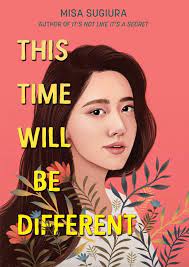
The cover. The cover is the reason I bought the book. My grandmother is a gardener, so flowers immediately catch my attention. The cover communicated the genre well and included a nod to the “flower magic” in the book. I love learning about flower symbolism and had already been researching it before I bought this book. The author includes a list at the end to help readers keep track.

The history. I love history, and I would have liked for this story to be told with parallel timelines, bouncing back and forth between CJ’s grandfather’s experience and her own. This would have provided unfamiliar readers with the historical context. Experiencing the oppression through CJ’s grandfather’s tale would allow readers to better relate to CJ’s anger.

Conclusion

This book tried to do for Japanese Americans what The Hate You Give did for Black Americans, but too many subplots and CJ’s lack of personal development led to it falling far short of the mark. While I liked many aspects of this book, I’d recommend others first.


Want more book reviews? Click HERE to subscribe!


If you want to read and form your own conclusions, you can purchase the book from Amazon buy clicking the image below*

Similar books I would recommend instead

Read My Review

Read My Review

Read My Review


*The above links are Amazon Affiliate links, meaning I earn a small commission if you purchase through them.
Book Review: The Hate U Give

This book popped up repeatedly on bestseller and recommendation lists. I had to discover the basis for the hype.

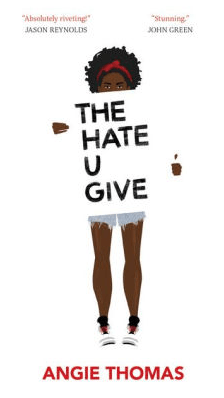
The Hate U Give by Angie Thomas

This book popped up repeatedly on bestseller and recommendation lists. I had to discover the basis for the hype.

Back Cover Description

“Sixteen-year-old Starr Carter moves between two worlds: the poor neighborhood where she lives and the fancy suburban prep school she attends. The uneasy balance between these worlds is shattered when Starr witnesses the fatal shooting of her childhood best friend Khalil at the hands of a police officer. Khalil was unarmed.

Soon afterward, his death is a national headline. Some are calling him a thug, maybe even a drug dealer and a gangbanger. Protesters are taking to the streets in Khalil’s name. Some cops and the local drug lord try to intimidate Starr and her family. What everyone wants to know is: what really went down that night? And the only person alive who can answer that is Starr.

But what Starr does—or does not—say could upend her community. It could also endanger her life.”

Characters

Starr is a relatable teenager in that she is still figuring out who she is and where she belongs. While not everybody has lived between two different socioeconomic classes, most people have felt they didn’t belong. I like that the author didn’t put Starr in a single box; instead, she showed us many aspects of Starr’s personality. It was as if Starr says “This is me too. Why should I have to choose?”

The other characters were unique without be cartoonish. I particularly liked Seven’s mother’s small act of redemption toward the end.

Plot

I usually read at a glacial pace, stopping to savor the story as it unfolds, but this book’s pacing is like a galloping horse—steady and strong. Thomas strikes the perfect balance between increasing tension and allowing enough time for development and emotional resonance. The focus on Starr, her family, her choices, and her reactions kept me engaged until the end when everything devolved into a riot. I couldn’t relate to a crowd of angry people and had trouble suspending my disbelief after that. A bit too crazy for a passive-aggressive, people-pleasing Midwesterner like me.

I appreciate the author’s explaining the rap that made the story’s the theme. As a classical music fan, I would have been lost without that.

Writing Style

The strength of Thomas’s writing lies in her delving into ambiguity and forcing the reader to sit there, uncomfortable. She portrays life for the complex, messy thing it is, and I admire her for that. Few books have characters as flawed but human as hers.

One masterfully written scene was when Starr’s family got together to watch the basketball game. Rivalries reared their ugly heads, and each person had their own win-ensuring rituals. I don’t give a rat’s left toe about basketball, but if you replace the sport with hockey and the family with a bunch of sun-starved Minnesotans, this scene could have come straight from my childhood. What family can’t relate to friendly competition?

Pairing such a relatable family event with something so tragic, so wrong, made for a powerful read. This wasn’t my favorite book I’ve ever read, but it was worth reading for that scene alone.

Conclusion

The Hate U Give speaks to a relevant issue in modern American culture and opens the door for discussion. Thomas’s prose didn’t make me swoon like say, Laurie Halse Anderson’s or Diane Ackerman’s, but it was solid, and many of her scenes packed an emotional punch.

Worth the hype?

I didn’t find this book as earth-shattering as other reviewers, but I enjoyed it, and I admit it made me think.

Worth the money/time to read?

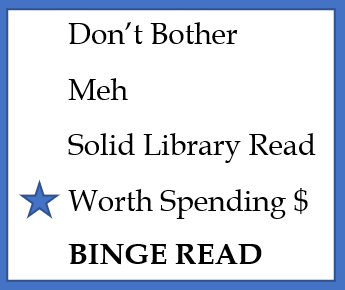
Yes. I checked a copy out from the library, but purchasing it wouldn’t be a waste. It makes a good discussion book, so it’d be good to loan to a friend.


Want more book reviews? Click HERE to subscribe!


Click the image below to purchase from Amazon*

You may also like

*The above are Amazon Affiliate links, meaning I earn a small commission if you purchase through them.

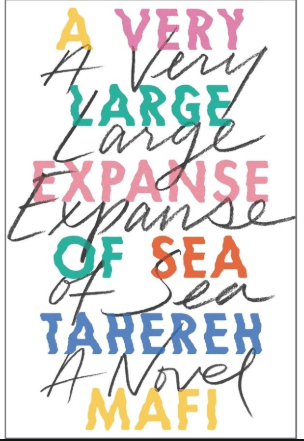
Book Review: A Very Large Expanse of Sea

I picked up this book because I love reading about people who are different from me. Not a lot of young adult novels feature Muslim protagonists, so I grabbed this as soon as I saw it available the library.

A Very Large Expanse of Sea by Tahereh Mafi

I picked up this book because I love reading about people who are different from me. Not a lot of young adult novels feature Muslim protagonists, so I grabbed this as soon as I saw it available the library.

Back Cover Description

“It’s 2002, a year after 9/11. It’s an extremely turbulent time politically, but especially so for someone like Shirin, a sixteen-year-old Muslim girl who’s tired of being stereotyped.

Shirin is never surprised by how horrible people can be. She’s tired of the rude stares, the degrading comments—even the physical violence—she endures as a result of her race, her religion, and the hijab she wears every day. So she’s built up protective walls and refuses to let anyone close enough to hurt her. Instead, she drowns her frustrations in music and spends her afternoons break-dancing with her brother.

But then she meets Ocean James. He’s the first person in forever who really seems to want to get to know Shirin. It terrifies her—they seem to come from two irreconcilable worlds—and Shirin has had her guard up for so long that she’s not sure she’ll ever be able to let it down.”

Characters

I love that Shirin breaks so many stereotypes. She’s a fashionista and break-dancer. I appreciate the author’s describing the break dance moves for a neophyte like me. I also liked that the author portrayed a varying level of piety. One of my favorite passages was when Shirin’s mother asks her and her brother if they said their prayers, and they lie and say they did. The mom rolls her eyes and says to do better with their afternoon prayers, and they lie and say they will. That’s an exchange a lot of young people can relate to.

If I had met Shirin in real life, her “back off” vibes would have scared me away long before I got to know the wounded heart inside her. Shirin is so disillusioned and bitter she is difficult to like. I have trouble immersing myself in that much anger.

The author mentions Shirin writing in her diary a lot. I wish she had included some of those entries in the book to show her softer, vulnerable side. Without that, getting to know Shirin is like singing Christmas carols to the Wicked Witch of the West. We see more of her inner self later in the book, but I almost didn’t make it that far.

Plot

The tough girl falling for a sweet guy is a common theme in young adult literature, but I always have trouble believing the guys are that persistent. Perhaps that comes from being an invisible wallflower in high school. Mafi gets away with it by making Shirin beautiful and stylish and orchestrating the circumstances such that the leading male finds her lack of interest in basketball refreshing. Still, as far as this trope goes, I much preferred Laurie Halse Anderson’s The Impossible Knife of Memory.

The plot’s main asset is an excellent portrayal of the arbitrariness of popularity. I won’t spoil it by including details, but it exposes the hypocrisy of high school (and adult) social circles. Much like real life, the characters transition from social lepers to reigning sovereigns with the speed of a viral video.

Writing Style

The author’s tone was consistent with the protagonist’s voice—short sentences and curt language. Not a style I gravitate to, but well-executed and fitting for the story. The plot moved at an acceptable pace, and I got a decent sense the setting. As Shirin often moved from school to school, I felt it appropriate that the setting didn’t receive too much attention. After so many moves, she wouldn’t care enough to invest in making it home.

Other

The cover image is hard to read, and it doesn’t reveal the premise of the book. I first discovered this book on a recommendations list, so I already knew what it was about, but a browsing reader wouldn’t.

Conclusion

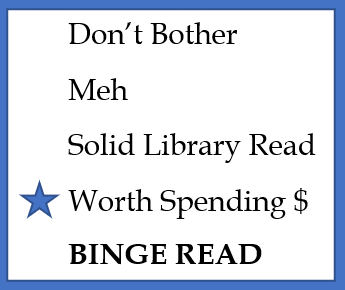
If you are into tough-girl protagonists, or if you have a similar life experience to the main character, then this book is well-written enough to warrant spending money. For shy girls like me who have trouble relating to that type of character, it’s a library read. Either way, worth reading.


Want more book reviews? Click HERE to subscribe!


Click the image below to purchase from Amazon*

You may also like:


*The above links are Amazon Associate links, meaning I earn a small commission if you purchase through them. All opinions are my own.

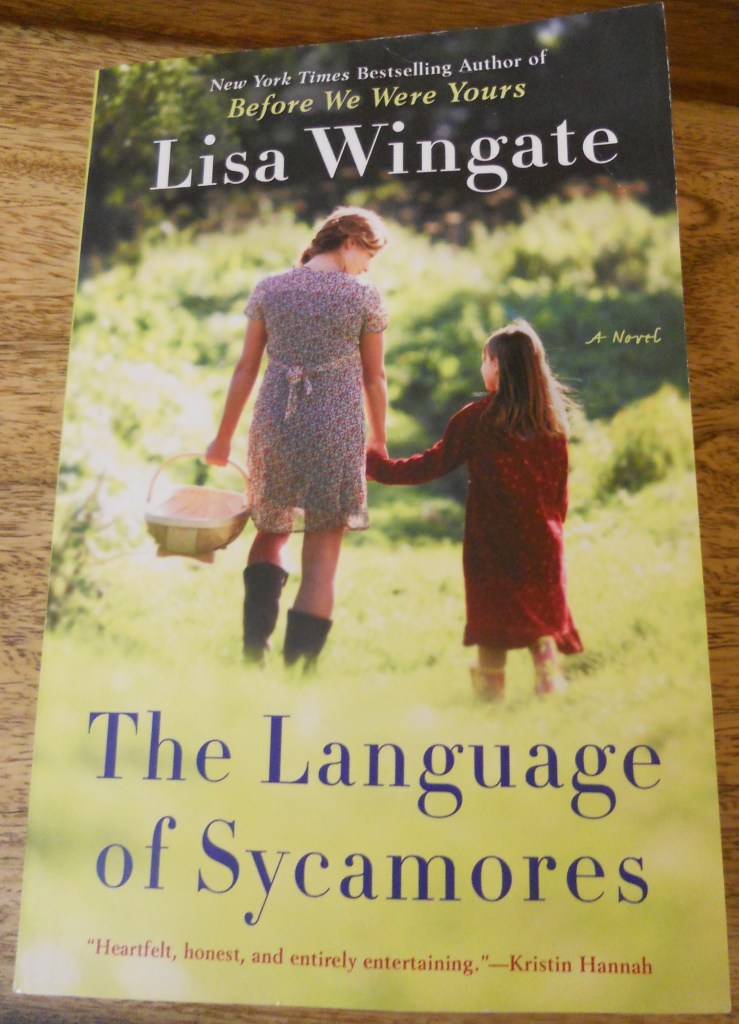
Book Review: The Language of Sycamores

Like the book, hate the cover. Karen is a middle-aged career-focused woman who burned out of a high-stress job in the tech industry. The cover image makes her look like an over-zealous millennial about to snap an Instagram photo of her avocado toast. I could forgive that, but the depiction of Dell is a crime.

The Language of Sycamores by Lisa Wingate

Another one from the library of Grandma 🙂

Cover Description

“Karen Sommerfield has been hiding from the big questions of her life—the emotional distance in her marriage, her inability to have children, and her bout with cancer. Getting lost in her high-powered career provides the sense of purpose she yearns for. Until the day she’s downsized out of her job and the doctor tells her the cancer may be back. It’s a double blow that would send anyone reeling.

It sends Karen to Grandma Rose’s old farm, where her sister has made a seemingly perfect life. Opening herself to the unexpected, Karen finds a lonely child in need of nurturing and insights into her family’s past. In the quiet of the Missouri Ozarks, where the sycamore leaves whisper their soft, secret language, she discovers answers—and a joy to make her life complete.”

Characters and Plot

Karen is a typical middle-aged burn-out with family issues. Years of competitions for her father’s approval strained her relationship with her sister, a perfectionist homemaker. These characters were relatable, but my favorite character by far is Dell, the shy little girl who comes alive with music. The author does a phenomenal job of building empathy for Dell, and I found myself routing for her the entire book. I also like how Dell brings out different sides of the other characters, like Karen’s husband, who plays guitar and does Elvis impressions.

I am a sucker for found family stories, so I enjoyed the plot. The perfect story for curling up on the couch with a mug of hot tea.

Writing Style

The writing style of this book was too explanatory for me. The author seemed to think I needed her to explain how Karen was feeling. I would rather she depicted more dramatic scenes and let me experience Karen’s emotions for myself. Also, flashbacks litter the beginning of the book, which made the pace slow to start.

Despite containing a sermon, this book is not preachy. The single sermon helps drive the plot. My only criticism is the ending, where the author gives God credit for everything that happens. It felt forced, as if the author finished the story and thought, “Shoot, I was supposed to make this a Christian book” and slapped three inspirational paragraphs together. I would rather Karen spent more time throughout the book questioning God about her circumstances, or had the final scene in a church or near one. Then her reflections would be more natural.

Other

I liked the book, but I hate the cover. Karen is a middle-aged career-focused woman who burned out of a high-stress job in the tech industry. The cover image makes her look like an over-zealous millennial babysitter about to snap an Instagram photo of her avocado toast. I could forgive that, but the depiction of Dell is a crime.

Dell comes from a low socioeconomic status in an abusive home. We only ever see her uncle’s verbal abuse, but the storyline hints at worse. She also cares for her ill grandmother. The cover image, however, gives no hints of her home life, no dirt or patches on her clothes, no tangles in her hair, no ill-fitting or mismatched clothes.

The worst by far is the girl’s skin. Dell is half African American. The girl on the cover? Paler than I am after hibernating through a nine-month long Montana winter.

Dell is half African American. The girl on the cover? Paler than I am after hibernating through a nine-month long Montana winter.

Dell’s uncle disparages her for having a “n—r father.” His constant verbal abuse affects her confidence, her self-worth, and her ability to trust others. Even the way she moves, silently, and the way she interacts with a group—staying on the edges and covering her face with her hair—reflects her poor self-image. Her skin tone is an integral part of her character, one that affects the way she behaves in the story. Simply put, Dell cannot be white* and still be Dell.

Dell cannot be white and still be Dell.

How many people on the publishing team gave that cover their approval? Don’t get me wrong; it’s a good image. The title is clear; the tone is consistent with the genre; and the image evokes the desired emotion. It’s a good cover, just not for this book.

Our media is whitewashed enough. People shouldn’t have to take a brown sharpie to their surroundings to see themselves depicted, especially not when the character in the book is already described as having “cinnamon-colored skin.” You can’t tell me there were no pictures of adorable brown girls they could have used.

People shouldn’t have to take a brown sharpie to their surroundings to see themselves depicted.

Conclusion

Did I enjoy the book? Yes. The explanations and flashbacks were not disruptive enough to detract from the storyline, which was heartwarming.

I enjoyed the book, but I’d be lying if I said that cover didn’t make me want to rage out of my winter den like a grizzly on the hunt for stupid tourists.


Want more book reviews? Click HERE to subscribe!


If you would like to purchase the book from Amazon**, click the link below. I encourage you to purchase this book rather than check it out from the library. That way you can take a brown sharpie to the cover 😉

The Language of Sycamores

You may also like

Same author. I actually liked this one better.

Great book. Stay tuned for my review!


*By “white” here, I mean 100% white like the girl on the cover. Dell already is 50% Caucasian.

**The above are Amazon Associate links, which means I earn a small commission if you purchase through them.