Book Review: Letters to the Lost

Letters to the Lost is You’ve Got Mail for the modern teen.

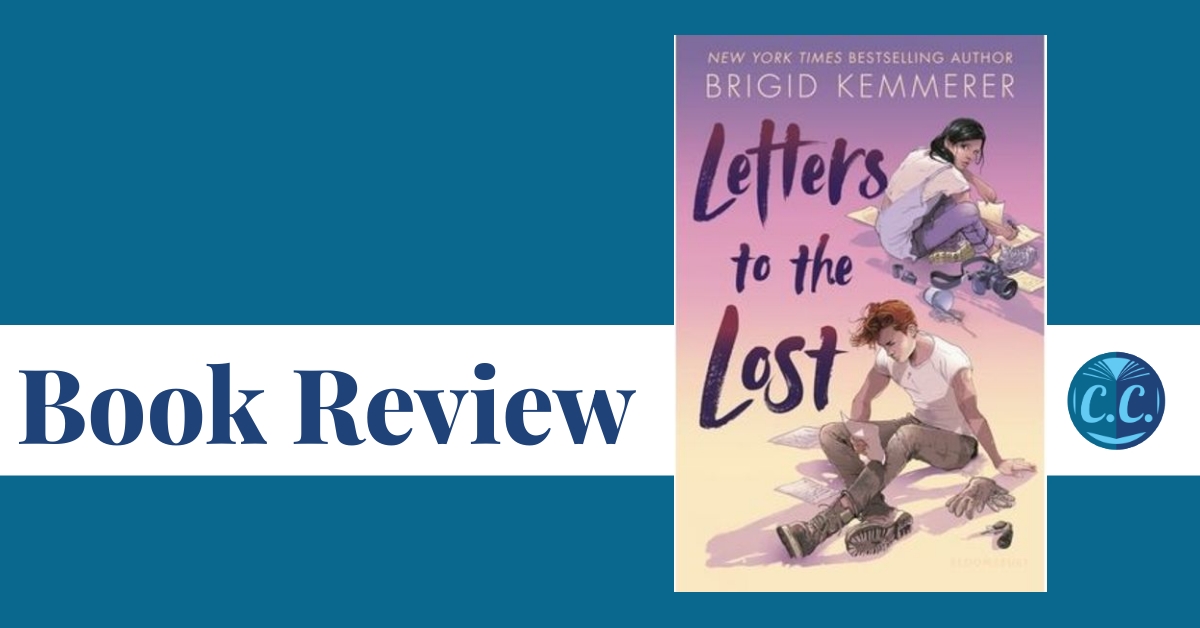
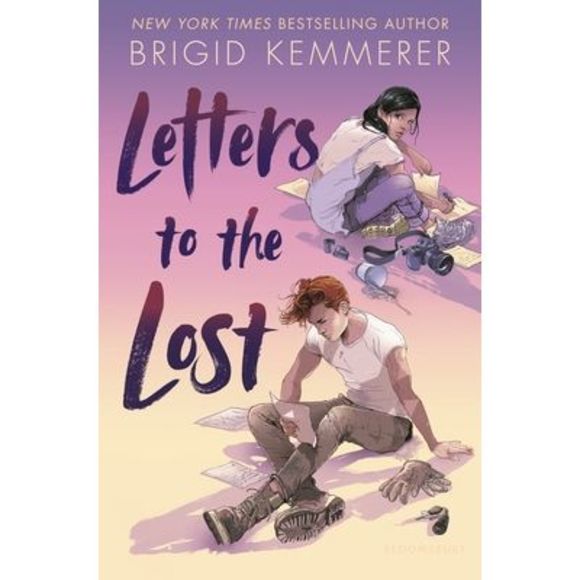
Letters to the Lost by Brigid Kemmerer

I enjoyed Kemmerer’s fantasy series, so I thought I’d try her contemporary fiction.

Description

Juliet is trapped in a fog of grief after her mother’s death.

Declan is trapped by people’s negative expectations.

Juliet can’t stop writing letters to her mother and leaving them on her tombstone, but one day, Declan writes back anonymously. She feels an instant connection to the stranger who seems to understand her pain, and Declan discovers someone who finally sees his side of his difficult past. Soon, they are revealing their deepest secrets and most painful memories to each other, but their realities are too close for comfort, and the truth threatens to destroy the relationship they rely on.

Characters

Juliet can’t stop obsessing over her mother’s death, even though her anger and grief are destroying her remaining relationships. Her one passion, photography, now reminds her too much of her mother, and she struggles in normal teenage interactions. Overall, she comes across as a three-dimensional character whose flaws drive her mistakes.

Declan is the typical misunderstood “bad kid,” the one teachers dismiss as prison-bound and peers avoid. His character arc is less anchored in his personal flaws as it is in the failures of his family members, which makes him a little less personable than Juliet.

Both characters have best friends that are too perfect to be realistic. I know the author was trying to set up a series, but she made Rev too likeable. I can’t imagine why Juliet didn’t guess Rev was her anonymous penpal. The author’s failure to address this felt like an obvious blunder and a wasted opportunity.

What I really appreciated, however, was how each character had one teacher/adult mentor who reached out to them. Often in teen fiction, the adults are all idiots, superfluous, or bad guys, so I liked that some of them, even the flawed ones, were trying to help.

Plot

The plot follows the two characters as they grow closer together, both in their anonymous writing and in their real lives. Each event flows well from the last. I never felt cheated by cheap twists.

Writing Style

Kemmerer excels in the all-absorbing first-person narration quintessential to contemporary young adult fiction. She captures the teenagers’ angst and perspective perfectly. I especially admired her descriptions of how each teenager felt their emotions physically—so much more than the cliched butterflies in the stomach.

Miscellaneous

The book’s central concept is saddening in its realism. Juliet and Declan form a strong bond because they feel safe sharing their deep feelings anonymously. In the social-media age, I can see how many teenage relationships remain surface-level. I wonder how many teens nowadays are suffering because they have no genuine friendships.

Conclusion

Letters to the Lost is You’ve Got Mail for the modern teen. The story delves into the depths of grief, guilt, and prejudice while maintaining a realistic teenage perspective. The story is all-encompassing in its narration, and delivers a satisfying ending while still driving interest in the next book in the series. I’d recommend this for fans of Laurie Halls Anderson.

WANT MORE BOOK REVIEWS? CLICK HERE TO SUBSCRIBE!


CLICK THE IMAGE TO PURCHASE FROM AMAZON*

Letters to the Lost

You may also like


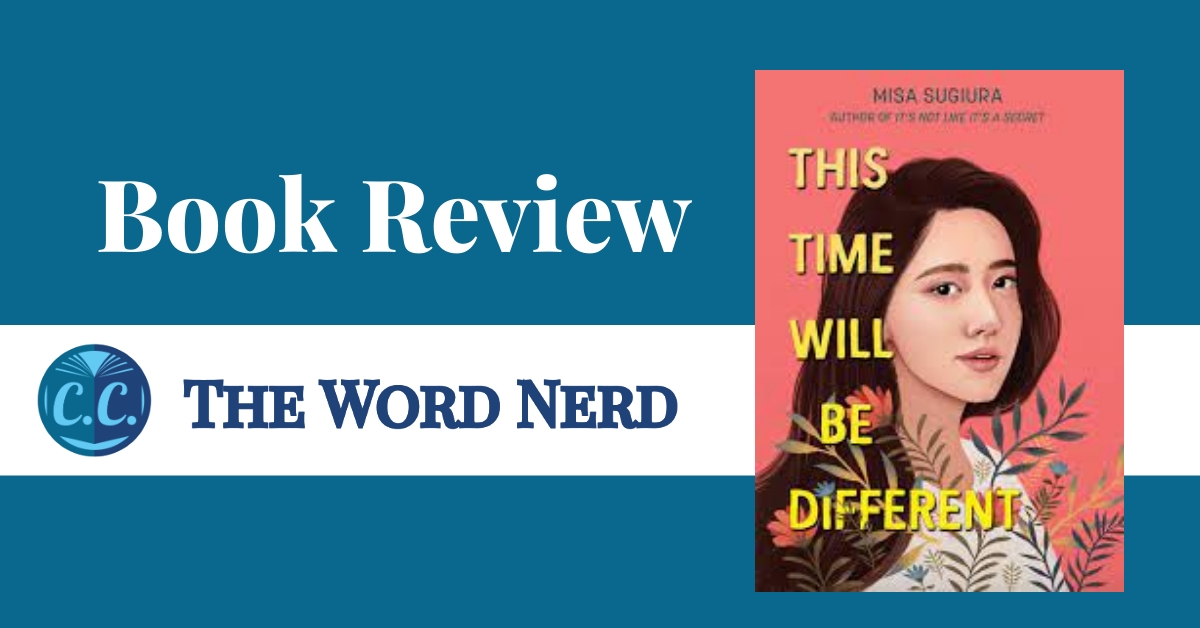
Book Review: This Time Will Be Different

Too many subplots and the protagonist’s lack of personal development kept this book from reaching its potential.

This Time Will Be Different by Misa Sugiura

Another book from one of those blissful trips to Barnes & Noble where my grandmother and great aunt spoil me even though I’m way too old for that.

Cover Description

“Katsuyamas never quit, but seventeen-year-old CJ doesn’t even know how to get started. She’s never lived up to her mom’s type A ambition, and she’s perfectly happy just helping her aunt, Hannah, at their family’s flower shop...She’s finally found something she might be good at.

Until her mom announces she’s planning to sell the shop—to the McAllisters, the same people who swindled CJ’s family, and many others, out of their property when Japanese Americans were sent to internment camps during World War II. Suddenly a rift threatens to splinter CJ’s family, her friends, and their entire Northern California community. And for the first time, CJ is finding the strength to step up and fight.”

Note

This book tackles the relevant and politically sensitive issue of redressing historical wrongs. Do not confuse my review of this book with my view on the issue. To be honest, I’m not sure how I feel about this book. To reflect my mixed feelings, I will structure this review differently from my previous reviews.

Characters

Things I liked

  • CJ is not a violin-playing math prodigy like 99% of other Asians depicted in books/movies/TV shows. I appreciate the author’s combating the model minority stereotype.
  • The beautiful popular people are decent human beings. The book does not fall into the Mean Girls trap of making villains of the social elite. They make hurtful mistakes, yes, but they are well-rounded characters whose motivations, however misguided, are understandable. I also love the author’s use of the hashtag #winning to describe them.
  • CJ’s family members all react to the situation differently. I love how even though each family member has strong opinions, they still love and support each other.
  • Owen. I can’t help falling for the nerdy history buff.

Things I didn’t like

  • CJ’s growth arc is both erratic and flat. CJ tackles so many internal personal issues it’s exhausting even to list them—letting go of her bitterness toward the #winners, navigating relationships with guys, smoothing the friction in her mother-daughter relationship, discovering her own passions, developing her identity as a Japanese American, and deciding how her family history affects her present. Each issue could be a book by itself. By cramming all of them into one story, the author ensures CJ makes minimal progress in any of them.
  • Lack of long-lasting transformation. CJ went from unenthused and mediocre to passionate and motivated to disillusioned and directionless. Even that arc was lost in the mix of all the other issues pushed in the plot. At the end, she still doesn’t know what she wants to do with her life.
  • CJ comes off as a passive character. Many of her actions/reactions are downright petty. Yes, she is like many teens in that she is caught in a whirlwind of confusion, but by the end of the book, she should have grown more in at least one area.

Plot

Things I liked

  • Focus on the protagonist. Even while addressing a wider issue that applies to many people groups across the country, the author maintained the focus on CJ’s family and their diverse reactions.
  • Finding Similarities. I liked how the author explained the concept of “white savior” by comparing racism to homophobia and by providing the example of a straight ally monopolizing a Pride rally. In that context, it was a great example.
  • SPOILER ALERT: I like who CJ ends up dating.

Things I didn’t like

  • Too many subplots. As I mentioned above, too many things happen at once to develop all of them.
  • Emphasis on CJ’s previous sexual exploits. While the subplot provided minor additional characterization of the mother-daughter relationship, it had minimal impact on the overall plot and was mostly an afterthought.
  • Suguira tried to advocate for too many things at once. Life is complicated, and I agree that different issues intermingle, but this book had so many hot button political feuds raging at once, none of them had any power. Suguira wasn’t telling a story; she was preaching. The book read more like a bunch of shallow slogans marching by at a political protest than a heartfelt conversation about issues that affect real people. I couldn’t care about the issues because I wasn’t given time to process how they affected the characters. I couldn’t care about the characters because the author bogged down the story with messaging rather than developing them into relatable people.
  • Lack of closure. The book focused on CJ’s personal development, so I liked that the author left some loose ends with the larger issues. However, the lack of transformation in CJ meant the ending fell flat. Had CJ developed a defined sense of who she was and what she wanted, the last chapter would have satisfied readers. As written, it lacks closure.

Writing Style

The author’s witty and ironic voice fits with her protagonist and speaks well to modern teens. Her use of hashtags throughout the prose added a touch of pop culture relevance.

Other

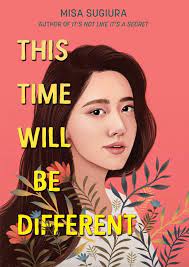
The cover. The cover is the reason I bought the book. My grandmother is a gardener, so flowers immediately catch my attention. The cover communicated the genre well and included a nod to the “flower magic” in the book. I love learning about flower symbolism and had already been researching it before I bought this book. The author includes a list at the end to help readers keep track.

The history. I love history, and I would have liked for this story to be told with parallel timelines, bouncing back and forth between CJ’s grandfather’s experience and her own. This would have provided unfamiliar readers with the historical context. Experiencing the oppression through CJ’s grandfather’s tale would allow readers to better relate to CJ’s anger.

Conclusion

This book tried to do for Japanese Americans what The Hate You Give did for Black Americans, but too many subplots and CJ’s lack of personal development led to it falling far short of the mark. While I liked many aspects of this book, I’d recommend others first.


Want more book reviews? Click HERE to subscribe!


If you want to read and form your own conclusions, you can purchase the book from Amazon buy clicking the image below*

Similar books I would recommend instead

Read My Review

Read My Review

Read My Review


*The above links are Amazon Affiliate links, meaning I earn a small commission if you purchase through them.

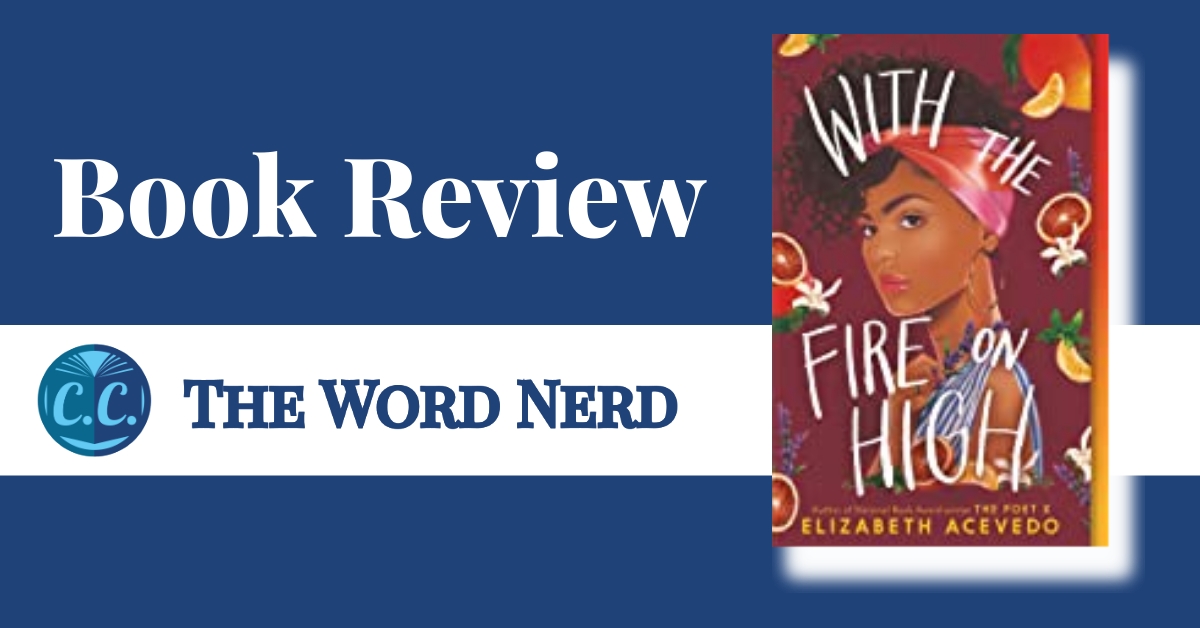
Book Review: With the Fire on High

I enjoyed the story, and I recommend reading it—even if it means abiding by the library’s 14-day new-book deadline.

With the Fire on High by Elizabeth Acebedo

This book flashed on the screen while I was checking the library’s hours on their website. Because of the 14-day deadline, I don’t normally check out recent releases, but I just had to read this one.

Cover Description

“Ever since she got pregnant freshman year, Emoni Santiago’s life has been about making the tough decisions, doing what has to be done for her daughter and her abuela. The one place she can let all that go is in the kitchen. There, she lets her hands tell her what to cook, listening to her intuition and adding a little something magical every time, turning her food into straight-up goodness.

“Even thought she’s always dreamed of working in a kitchen after she graduates, Emoni knows that it’s not worth her time to pursue the impossible. Yet despite the rules she’s made for her life—and everyone else’s rules, which she refuses to play by—once Emoni starts cooking, her only choice is to let her talent break free.”

Characters

Emoni is a Boricua Phili girl with magic in her fingers. In the kitchen, that magic not only frees her from current troubles, it connects her with her past and launches her toward the future. With grit and determination, she surmounts challenges none of her peers face. While people rarely think of teen mothers as role models, Emoni definitely is.

While others wonder if Emoni’s Puerto Rican heritage “disqualifies” her from being a “real” black girl, or whether she “counts” as Hispanic if she doesn’t speak Spanish well, Emoni is sure of herself. Her confidence in her identity is refreshing in a genre plagued by identity issues.

Emoni knows who she is, but she doesn’t know what she wants to do with her life. She can’t see past the day-to-day struggles into her dreams for the future.

Michael, the principal love interest, draws the dreamer out of her practical nature. In most YA romantic subplots, the guy is usually too perfect and too persistent to be realistic. This book falls into the same trap, but it is one of the better ones in that regard. Michael’s backstory and the casual nature of their relationship keeps it from getting corny.

Emoni and Michael have great chemistry—another rarity in a genre where good looks is often the only link between love interests. I like that Emoni doesn’t throw herself at him. They develop their relationship at their own pace, on their own terms. More young readers should have role models like them.

Plot

Emoni isn’t sure what she wants to do after graduation. Much of the plot is her discovering what she wants. Rather than hooking the reader with constant tension and heart-pounding drama, this book champions the everyday struggles of being a young mother, and I applaud the author for that. So often we overlook how much goes into just keeping a roof over your child’s head.

Not a thriller, but perfect for curling up on the couch.

Writing Style

Poetic

I love reading books written by poets. Acevedo has a beautiful way of expressing herself. This is one of my favorite passages:

“Although my food still doesn’t give me any memories, it has always been looking back; it’s infused with the people I come from. But it’s also a way for me to look forward: to watch the recipes that from my roots transform, grow, and feed the hungriest places inside of me.”

Italics

The author chose not to italicize the Spanish words throughout the English text. This is a common trend among Latino authors, especially Junot Díaz. These authors consider italicizing othering. By writing both Spanish and English words in plain text, the author asserts both languages are a part of the same person, both equal and integral to their identity.

Personally, I prefer italics. I think maintaining plain text flattens the prose, limits characterization, and hinders readers who are first learning to read in a second language. Italics provide needed clarity between false-cognates and help the reader’s narrating mental voice pronounce words correctly. I could devote an entire blog post to this topic, but let me end with this:

While I prefer italics, I understand the author’s justification for not using them, and I respect her choice. My reasons for preferring italics are linguistic rather than socio-political, but I understand that we live in a divided world plagued by racism and xenophobia. If the author feels plain text combats othering, I support her, even as I dream of a world that celebrates differences rather than ostracizing them.

Miscellaneous

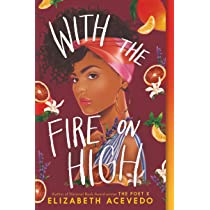
Love the cover.

Conclusion

While it lacks the thrills and dramatic tension of other books, With the Fire on High is a beautiful read. Emoni’s hard work and determination make her a great a role model. I enjoyed the story, and I recommend reading it—even if it means abiding by the library’s 14-day new-book deadline.


Want more book reviews? Click HERE to subscribe!


Click the image below to purchase from Amazon*

With the Fire on High


You may also like:

Read My Review

Read My Review

Read My Review


*The above links are Amazon Associate links, meaning I earn a small commission if you purchase through them.

Book Review: Windsworn

As a blacksmith’s apprentice, Evelyn has no fear of fire. Heights, however, make her dizzy.

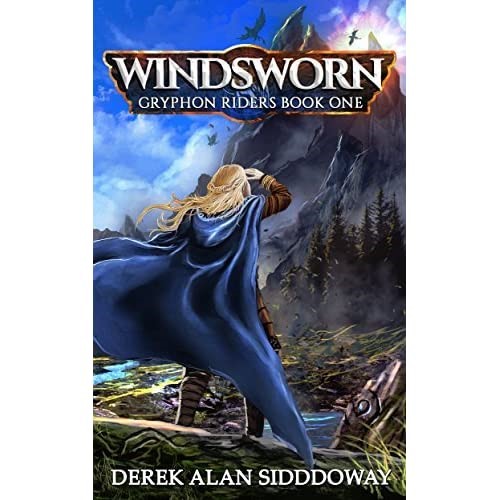
Windsworn by Derek Alan Siddoway

I’d read all the Lindsay Buroker books my library carried, so I was looking for some new fantasy to read. I downloaded this when it was free on Amazon.

Description

As a blacksmith’s apprentice, Evelyn has no fear of fire. Heights, however, make her dizzy. When the rare red gryphon egg hatches for her, she must leave her foster father and join the band of elite gryphon riders. Not all of them believe her worthy of the red gryphon, but as she struggles to overcome her fears, she discovers a plot to undermine the Windsworn. The secrets of the ancients could bring the kingdom to war, and the secrets of Evelyn’s past may be the key to stopping them.

Characters

Evelyn is supposedly nineteen years old, but her character reads as though she were thirteen, fifteen tops. Nineteen-year-olds are also immature, but in different ways. Evelyn’s reactions and concerns are those of a much younger girl. As a shy girl myself, I should have resonated with Evelyn, but her insecurities were so overplayed that I had trouble connecting with her. She is described as being much taller than the other, younger recruits, but given the age of the average girl’s growth spurts, that would make her classmates really young. Overall, I think the author missed his characters’ age characteristics by a huge margin.

The other characters—the quirky friend, the handsome boy, and the various teachers and leaders of the Windsworn—fill the needed roles in the cast without adding much more depth. The one character who sparked my interest, Sigrid, made her transition from enemy to friend far too quickly, and the author failed to explore her background/motivations. He did, eventually, describe her origins, but only as a convenient plot device. That backstory should have been integral to her character throughout the story.

Plot

The plot followed a usual academy-style fantasy direction—with the character adjusting to new training and, of course, discovering the sinister plot that only she could solve. It slowed a bit while describing the Evelyn’s lessons, but I enjoyed the traps and puzzles in the catacombs toward the end.

*Semi-Spoiler*

The author hinted at a particular candidate for the villain. I would have been disappointed if Evelyn’s suspicions proved true. As it was, the villain wasn’t a massive surprise, but at least it wasn’t the obvious choice.

*End of Semi-Spoiler*

Writing Style

This book desperately needs a good line edit. Many of the sentences were so clunky they were difficult to follow. I almost put the book down after Chapter 1, but I was craving fantasy tropes, and I knew this story would hit them. The writing improved by the end, but Siddoway should have edited the beginning more.

Conclusion

Based on the book’s progression, I’d predict that the next installment in the series would be much better written. Unfortunately, the author did not earn enough of my trust to convince me to shell out $7.99 for the e-book. I enjoyed the fun romp through the catacombs, but the writing needs work. The plot and tropes were predictable, which I don’t mind, but Evelyn does not act her age, and the other characters lack the depth to balance her inconsistencies. Though gryphon riders are always cool, and I’m intrigued by where the story is headed, I won’t be continuing this series.


Want more book reviews? Click HERE to subscribe!


Click the image below to purchase from Amazon*

Windsworn

You may also like:

Read My Review

Read My Review

Read My Review


*The above links are Amazon Associate links, meaning I earn a small commission if you purchase through them. All opinions are my own.

Book Review: By Wingéd Chair

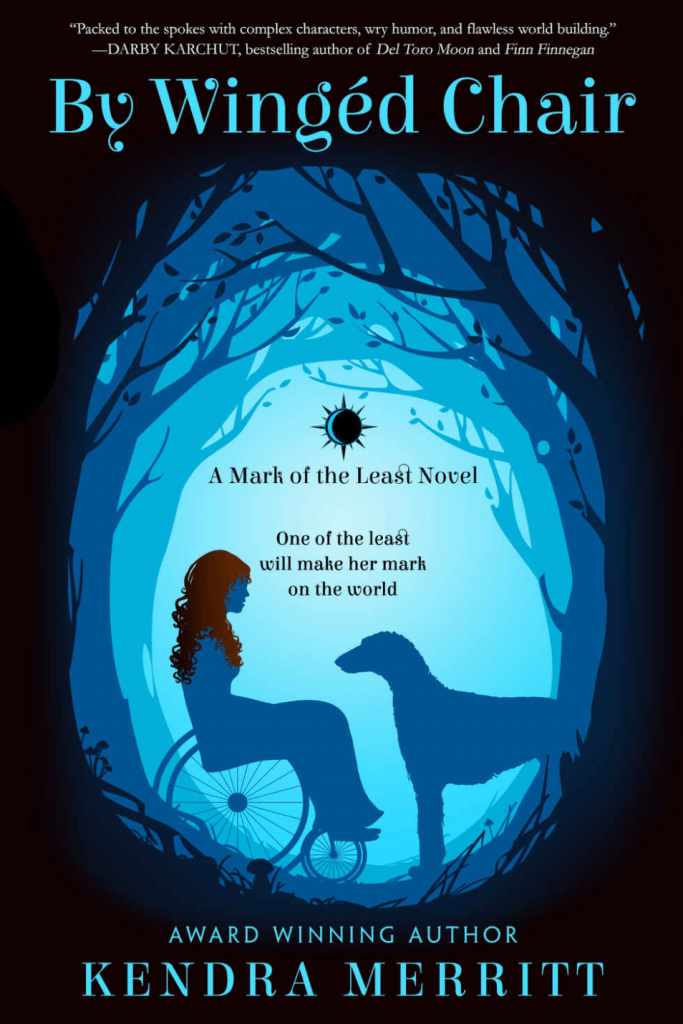
By Wingéd Chair by Kendra Merritt

I’m a huge supporter of my local library, but that doesn’t mean I won’t take advantage of a free trial of Kindle Unlimited when The Big River throws one my way. This book was part of my mad binge-reading during that trial.

Description

Seventeen-year-old Merry has one goal—become a licensed mage—but her tendency to mouth off to anyone who underestimates her because of her wheelchair hasn’t made her boarding school mistresses more willing to write her the necessary letter of recommendation. Instead of heading to the University, she takes the train home to face her father—until a group of corrupt peacemakers and their shape-shifting allies attack. As the daughter of Woodshire’s premier expert in the memory-stealing creatures, she can defend herself. The outlaw mage who “comes to her rescue,” however, drags her into a resistance movement she didn’t know lay in her own backyard. When the creatures decide to take the memories of those she cares about most, she must decide whether returning their memories is worth giving up her chance to earn respect as a mage.

Character

Merry represents a fantastic blend of strength and insecurity. At the outset, she hides her emotional pain behind her sharp tongue and masked expression, but as her confidence grows, she displays her friendly side more often. She never lets anything hold her back, though the author doesn’t shy away from portraying the challenges she faces as a paraplegic. Likewise, the other characters have their own struggles and motivations, especially the leading male, rounding out the cast of misfit outlaws.

Toward the end, the author reveals the villains’ true motivations, which make them seem both more human and more realistic. However, these details were added so quickly, they feel like an afterthought. That said, the process by which the creatures become “good” and “bad” fascinated me. I love the idea that all their small decisions culminate in their final nature.

Plot

The plot, a retelling of Robin Hood, follows Merry as she befriends the outlaws and helps them work against the tyrannical duke and the creatures he is using to steal memories from the populace. The story progresses at a solid pace, with a balance between action and character development. There weren’t any surprising twists, but I enjoyed the journey.

Writing Style

Merritt writes with a good balance between description and action. She evokes the characters’ emotions without wallowing for too long. I felt Merry was a little blind and self-absorbed, but at her age, I was equally introspective. The love-story subplot was appropriate for a young adult audience. I found it refreshing compared to the hypersexualized stories that have flooded the genre in recent years.

Miscellaneous

The author’s Christian allegory was very well done. She successfully wove religious themes into the fantasy world, highlighting the relevance to each character’s development. Though evident immediately, the Christian themes didn’t come across as preachy, and weren’t as obvious as, say, The Lion, the Witch, and the Wardrobe. This book may hold special appeal to Christians, but readers of any belief system—or lack thereof—could enjoy it.

Conclusion

One part Robin Hood, one part Christian allegory, By Wingéd Chair is a delightful fairytale which portrays resilience in the face of suffering. Merry’s personal journey encourages readers to draw strength from their weaknesses, and the well-rounded cast of outlaws provides ample support for the broader theme. I enjoyed this story, and I look forward to reading more.

Want more book reviews? Click HERE to subscribe!


Click the image below to purchase from Amazon*

By Winged Chair

You may also like:

Read My Review

Read My Review

I haven’t written a review on this, but with a nerdy princess and lots of magic/action/romance… let’s just say I loved it. Trust Me.


*The above links are Amazon Associate links, meaning I earn a small commission if you purchase through them. All opinions are my own.

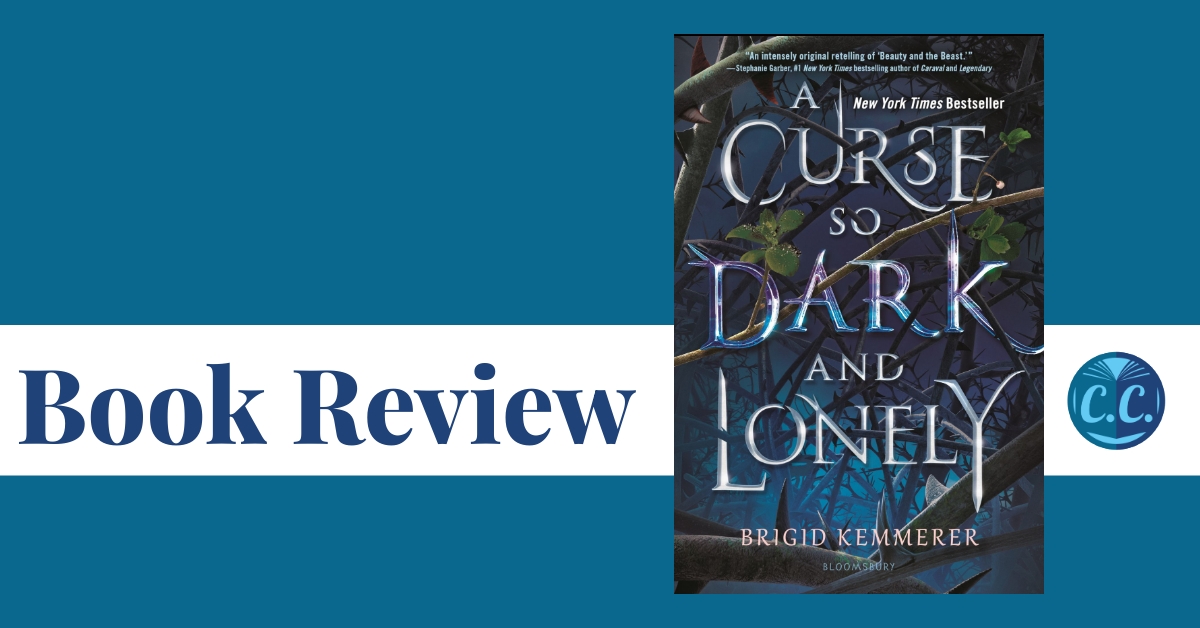
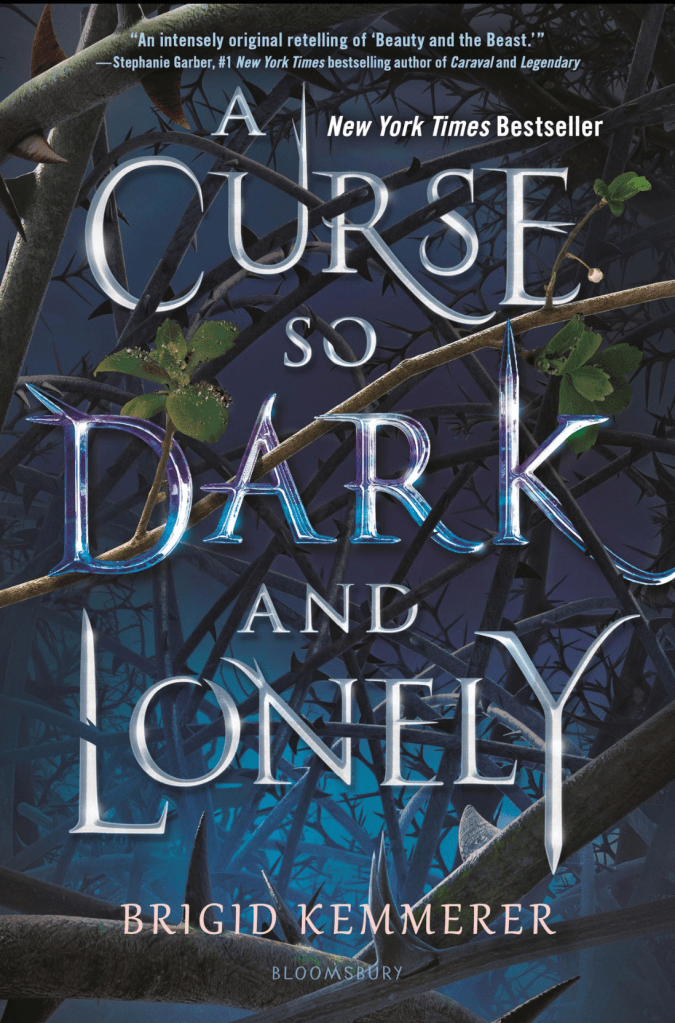
Book Review: A Curse So Dark and Lonely

In this retelling of The Beaty & the Beast, tough-but-vulnerable Harper and arrogant-but-defeated Rhen must join forces to save the kingdom—and perhaps fall in love.

A Curse So Dark and Lonely by Brigid Kremmerer

I almost didn’t read this because I was looking for a different book, but I’m glad I did.

Book Description

Harper is determined to help her brother earn money to pay off their mother’s cancer debts, but Jake always underestimates her because of her Cerebral Palsy. She’s relegated to lookout duty, but when she spots someone being kidnapped, she can’t help intervening. She doesn’t realize this kidnapper is heading to another world until he accidentally takes her instead.

Thrust into a fairytale land full of magic and suffering, Harper meets Prince Rhen and learns of his curse. Upon the season’s end, he transforms into a terrifying monster and attacks his own people. After his rampage, time resets, and he must relive his eighteenth year again—until a woman falls in love with him.

Apparently, that woman is supposed to be Harper.

She doubts she could fall for someone so arrogant, but when a neighboring kingdom sends an army over the mountains, Rhen and Harper have bigger things to worry about than breaking a curse.

Characters

Though the book falls into the young adult category, readers of any age can relate to Harper’s desire to prove herself. She is simultaneously tough and vulnerable, determined and doubt-riddled, assured and confused. In other words, she’s human.

Having Cerebral Palsy causes Harper to walk with a limp, but I love that this book isn’t about Harper’s disability. CP is a part of her, but it doesn’t define her character, and rather than focus on Harper fighting discrimination as so many books featuring characters with disabilities do, Kremmerer focuses the story on everything Harper can do, and how she wins the respect of everyone who meets her.

The other characters are similarly well rounded, including the leading man, Rhen. Kremmerer depicts her characters not as “good guys” and “bad guys,” but as deeply flawed humans doing the best they can. Each character harbors regrets about past decisions and agonizes over future ones. Readers may not agree with those decisions, but we can understand them.

Plot

The plot follows a fun twist on the Beauty & the Beast. Rather than focusing on the love story, the invading army gives Rhen and Harper a common goal. Kremmerer does an excellent job escalating both the personal and societal stakes over the course of the plot, forcing the characters to make impossible decisions.

Writing Style

Kremmerer’s prose is just the right mix of description and action. It reads smoothly, with few stylistic obstacles to prevent readers from immersing themselves in the world. She lingers over romantic scenes while driving up the pace during climactic ones, excellent pacing.

Miscellaneous

I wish this were a standalone novel instead of a series. The author needed to leave some loose ends to draw readers forward, but I don’t like where the tale is headed. I’d rather pretend those loose ends were tied up and enjoy the happily ever after in my head.

That said, I feel obligated to admit that I have already downloaded the sequel from the library’s e-book database.

Conclusion

In this refreshing and beautiful retelling of The Beaty & the Beast, tough-but-vulnerable Harper and arrogant-but-defeated Rhen must join forces to save the kingdom—and perhaps fall in love. With deeply human characters and a thrilling plot full of political intrigue and high stakes, A Curse So Dark and Lonely is sure to please even fair-weather fans of fairy tales. I loved this book so much I read it in a weekend. Highly recommend.


Want more book reviews? Click HERE to subscribe!


Click the image below to purchase from Amazon*

A Curse So Dark and Lonely

You may also like:

Read My Review

Read My Review

I haven’t written a review on this, but with a nerdy princess and lots of magic/action/romance… let’s just say I loved it. Trust Me.


*The above links are Amazon Associate links, meaning I earn a small commission if you purchase through them. All opinions are my own.

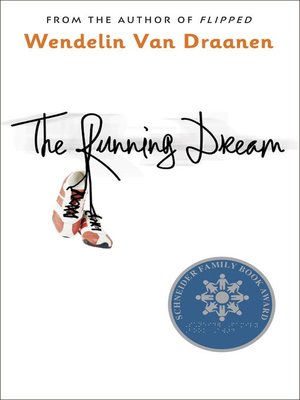
Book Review: The Running Dream

I was searching for a different book when I stumbled upon this one, and I’m glad I did.

The Running Dream by Wendelin Van Draanen

I was searching for a different book when I stumbled upon this one, and I’m glad I did.

Book Description

Jessica awakens from a morphine-induced haze to pain in her leg, or what used to be her leg. After surviving an accident that killed one of her teammates, doctors had to amputate her leg below the knee to save her life. She’s alive, but she may never again do what makes her feel most alive: run.

As Jessica adapts to life as an amputee, she clings to the dream that she may walk—and even run—again, but an insurance conflict hampers the family finances. While her track teammates try to make her impossible dream a reality, a new friend, Rosa, helps her with another impossibility—catching up in math.

Rosa’s life with Cerebral Palsy gives Jessica a new perspective on her disability, on feeling simultaneously in the spotlight and invisible. As Jessica continues her rehab, she decides crossing the finish line is no longer enough. This time, she wants to take Rosa with her.

Characters

The first-person narration allows readers to experience Jessica’s ups and downs as she recovers. Her initial dejection is understandable, and her insecurities are relatable. The strength and determination she eventually finds propel the story.

While Jessica is three-dimensional and relatable, the remaining cast members are underdeveloped. The story hinges on her relationship with Rosa, but other than learning she is good at math, we learn little about her.

Rosa wants to be seen as more than her disability, but we never learn about her hopes and dreams for the future. Unlike Jessica, we don’t experience her ups and downs. She is never discouraged. She never has a bad day or throws a tantrum or makes a mistake. Instead, she serves as a constant source of support and inspiration, more like a shining light seen from a distance than a real person.

In the author’s defense, all the characters are slimly developed, but Rosa is especially disappointing, because Rosa supposedly changes Jessica’s outlook on life. I would have liked their friendship to have been more developed.

Plot

The author sacrificed character development in favor of sticking to a concise, quick-paced plot. I read the entire book in an afternoon, and while I found the storyline moving, I didn’t connect with the characters enough for it to matter.

The plot follows Jessica’s initial adjustment to becoming an amputee, her recovery and adaptation to using a prosthetic, and her inspiration from Rosa. In the beginning, even mundane tasks are huge barriers, but after her initial recovery, things flow smoothly. Too smoothly for my tastes. Her track teammates and classmates are super supportive, and she doesn’t encounter much resistance from any of her teachers either. Everyone is eager to help, which I suppose makes sense, but it gives the cast a kumbaya feel.

Writing Style

In keeping with the tight plot and fast pacing, the author writes in short but effective sentences. Seems fitting for a novel about a track star.

Conclusion

I love that this book emphasizes the power of friendship rather than focusing on disability. Yes, Jessica completes an incredible journey, but the real power of the story is how her friends, teammates, and townsfolk inspire and support one another. I wish the characters had been more developed so that I could truly enjoy their victories, but overall, I loved the book.

WANT MORE BOOK REVIEWS? CLICK HERE TO SUBSCRIBE!


CLICK THE IMAGE TO PURCHASE FROM AMAZON*

The Running Dream

You may also like

Wonder

Review pending, but a great, multiple-perspective story if you like middle grade fiction.

Say What You Will

Review pending, but I liked how this YA book extended into life after high school.


*The above links are Amazon Associate links, meaning that I earn a small

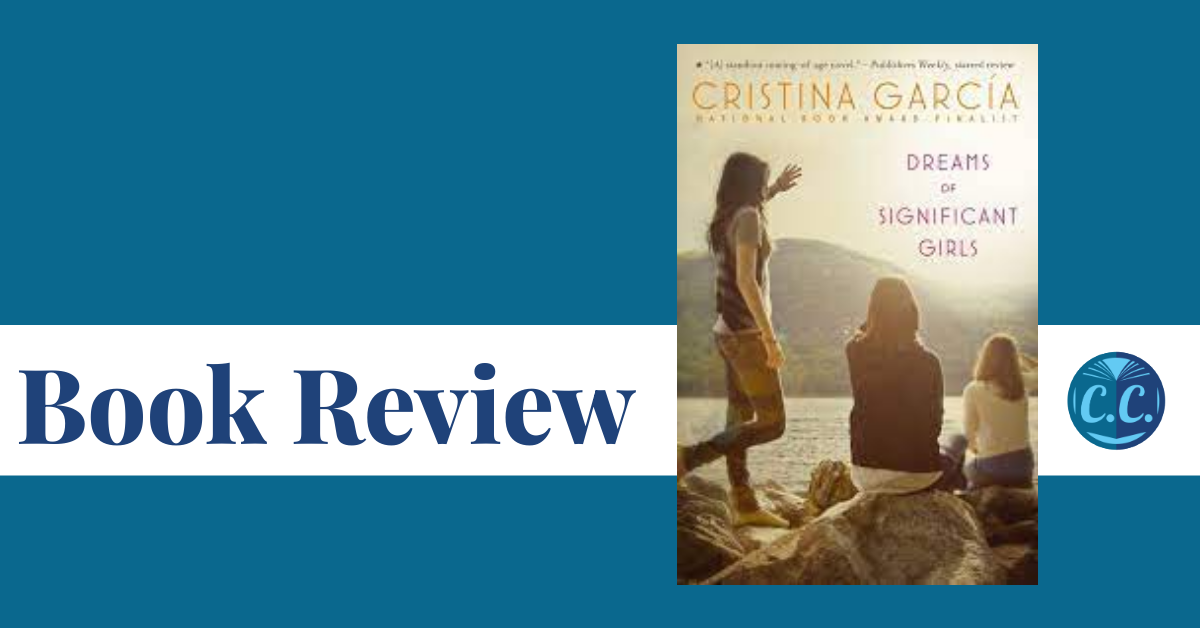
Dreams of Significant Girls

This book made so many recommendation lists that I added it to my Christmas list. I love the concept of three very different girls supporting each other as they come of age, but…

Book Review: Dreams of Significant Girls by Cristina García

This book made so many recommendation lists that I added it to my Christmas list, but reading it proved less than satisfying.

Description

1970s. In a prestigious summer camp in Switzerland, three girls from different backgrounds must come together as roommates to navigate first loves and heartbreaks. Eager Vivien, who loves to cook, hails from the United States and treasures her Cuban heritage. Shirin, the prickly “Iranian princess,” prefers mathematics textbooks and horses to people. Ingrid, the rebellious Canadian artist, will do anything but the expected. Together, they find their differences don’t matter if they support each other.

Characters

The characters are the shining strength of the book. Each is distinct enough that dialogue tags are unnecessary for knowing who is speaking. They behave in the emotionally driven way of teenagers, consistent with their individual personalities. I enjoyed getting to know them, which made everything else a disappointment.

The friendship between the girls was rushed. On one page, they’re enemies, and by the next chapter, best friends? The book claims to focus on friendship, but little support made it onto the page. In fact, there were several serious trials that the girls kept secret from one another. If anything, the friends complicated each others’ troubles rather than alleviate them.

Plot

The plot reads like a bundle of periodicals, with few threads carrying through the entire narrative. Most of the unfortunate episodes end negatively and are never processed or resolved. I don’t mind reading about bad decisions and tragedy, but these girls failed to learn anything from their mistakes, or the mistakes of the surrounding adults.

The publishers could re-title this book Fourteen-Year-Old Girls Discover Sex because most of the story revolved around sex. The girls experienced everything from digital rape (explicitly described) to masturbation to a full sexual relationship with a much older adult man.

Sex is common in young adult literature (though I question Simon & Schuster’s Age 14 and up rating), but the sex in this book served no real purpose to the overall story.

The girls stumble blindly into their relationships, which I suppose is typical for teens, but they don’t gain any insights from their exploits. Shirin’s experience, which triggers her mental breakdown, goes unaddressed for the rest of the book. I don’t consider myself prudish, but the relationship with an older man receives a much too positive a portrayal for even my tastes. The book supposedly focuses on friendship, but aside from a kissing lesson from Ingrid (during which she has the others practice on her), the girls navigate the joys and perils of their relationships alone.

The author included some family drama, but most of it takes place outside the girls’ control and participation. Divorce and remarriage, dark family secrets, religious tradition faced with modern culture—the author had more than enough, perhaps too much, material to work into a telling story. Instead, that drama is communicated via the occasional lunch date with a visiting relative. The girls practically don’t take part in their own families’ lives. They show little interest in doing so, preoccupied as they are with sex.  

I finished this random collection of sexual exploits and family drama and thought, “What was the point?” The author injected no meaning or growth into the narrative, which left me feeling like I’d paid for an expensive dinner and received a plate of cold potatoes.

Writing Style

The author does a fantastic job creating a distinct voice for each character. Her prose is clean and pretty. However, most of the story is summarized in diary-style entries rather than dramatized, making it hard for readers to experience the story vicariously.

Miscellaneous

* Spoilers Begin *

Shirin’s subplot was so mishandled that I feel the need to spoil it. After she is raped at the ball and has a mental breakdown, she requests her new best friends meet her back at boarding school. Vivien and Ingrid don’t consider her a friend yet and wonder why the heck she invited them, but even after they do become close, Shirin never mentions her rape. I understand why she would keep silent, but even when she moves on to a consensual relationship, she doesn’t process her trauma. It magically resolves, which strikes me as unrealistic, even for someone who suppresses the memory.

Her friends, even without knowing the root of her issues, could have helped her work through them. Instead, Ingrid gives her a kissing lesson, her new boyfriend manually stimulates her such that she has an orgasm riding her horse, and everything is hunky-dory.

Later, after her consensual relationship leaves her pregnant, Shirin takes an herbal abortifacient and experiences serious hemorrhaging. She confesses to Vivien that her periods are now black and sickly and coming twice as often. The subplot ends there. Shirin is having serious health complications, but the reader is left to assume they magically resolve along with her trauma. Only the fact that Shirin later has a daughter reveals that she recovered. Furthermore, Shirin never tells Ingrid of her experience, which seems a grave oversight in a book about the power of friendship.

* Spoilers End *

Conclusion

I wanted to like this book. I love the concept of three very different girls supporting each other as they come of age. The author does a fantastic job crafting interesting characters and giving them unique voices, but Dreams of Significant Girls felt more like Sexual Exploits of Confused Girls. Neither inspiring nor impactful, the story derives no meaning from the girls’ experiences, and much of the significant family drama occurs without their participation.

Want more book reviews? Subscribe


Decide for yourself

Click the image below to purchase from Amazon*

Dreams of Significant Girls

Read Instead:

Read My Review

Read My Review

Read My Review


*The above links are Amazon Associate links, meaning I earn a small commission, at no extra cost to you, if you purchase through them. All opinions are my own.

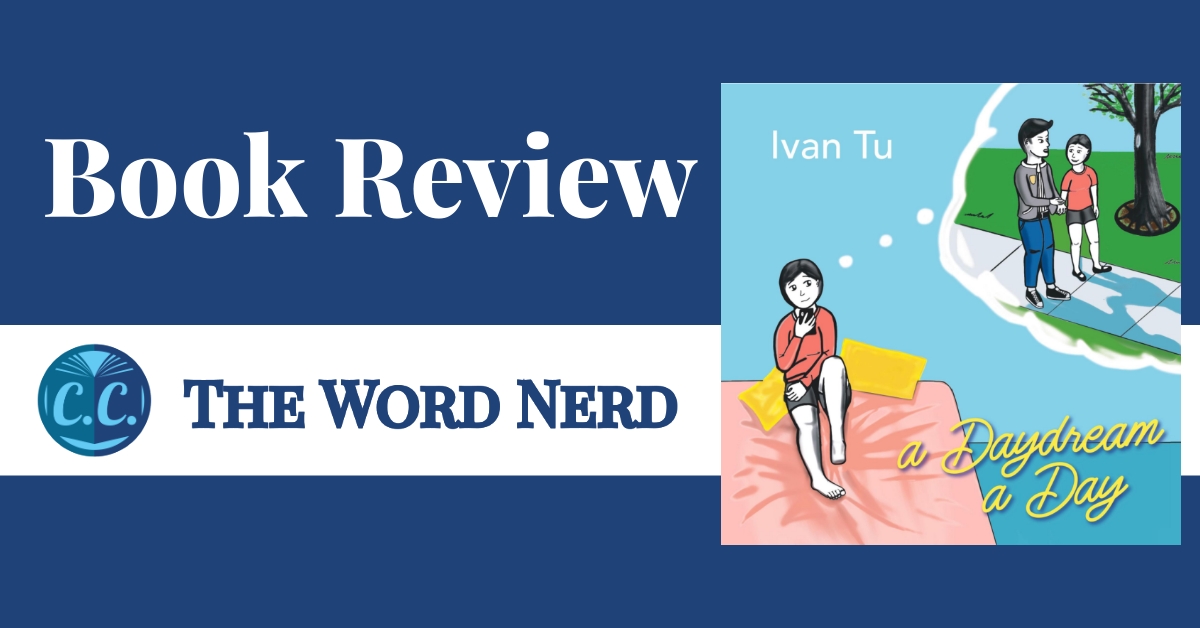
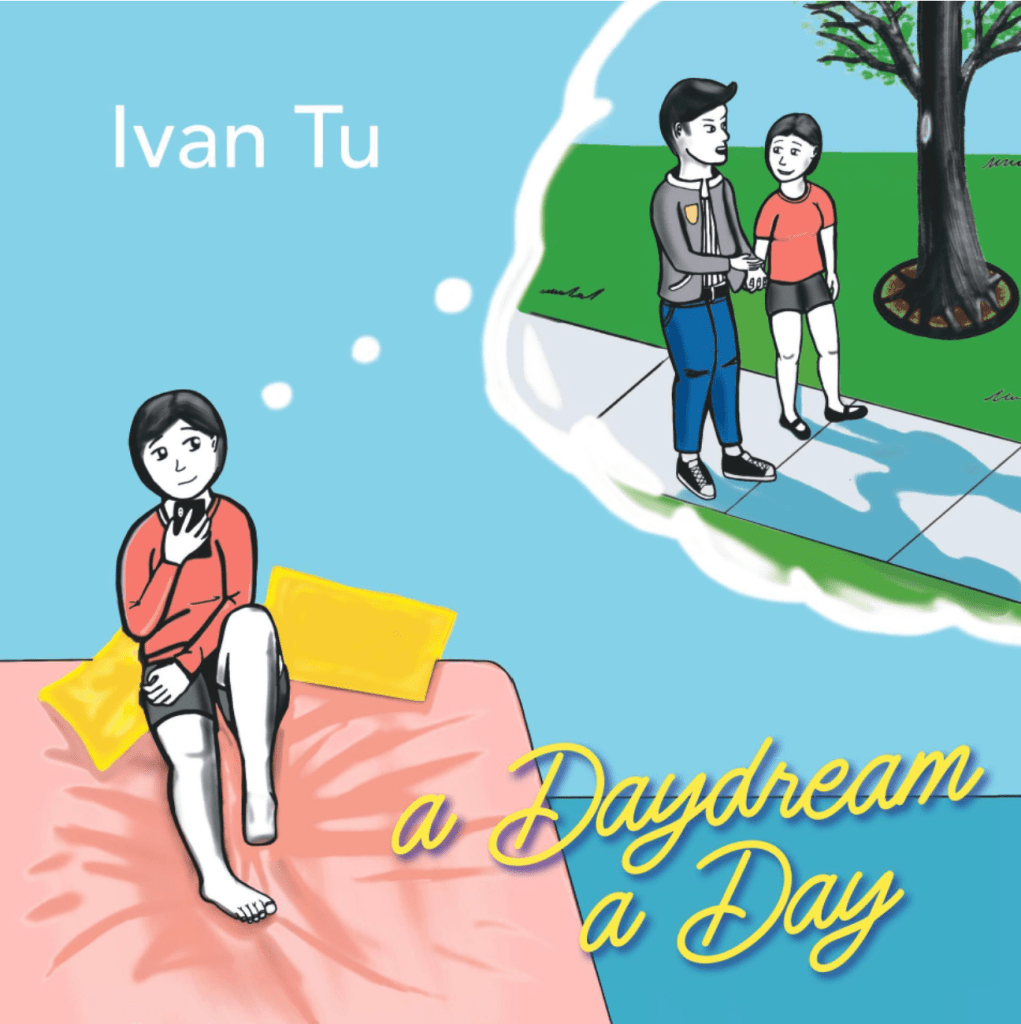
Book Review: A Daydream a Day

I had the privilege of receiving an advanced reader copy of this book of young adult poetry, and I am more than happy to share it with my readers.

I had the privilege of receiving an advanced reader copy of this book of young adult poetry, and I am more than happy to share it with my readers.

A Daydream a Day by Ivan Tu

This collection of short poems is grouped into five parts based on the themes they address:

  1. Lost, where will you go?
  2. Face your demons
  3. Change your mind
  4. Almost there
  5. Found a direction!

As you can see, reading through this book is like going on a journey of personal development and discovery. The poems touch on relevant themes that modern teens (and adults) can relate to without being preachy or overbearing. They come across like an honest conversation between friends.

An illustration accompanied each poem. At first, I thought the images would distract from the writing, but I think rather than “a picture is worth a thousand words,” the poet proved that only a handful of words can elicit an entire scene. Each image fit the tone of the poems, and they added to the overall appeal of the book. I recommend reading the poems before looking at the illustrations.

The book as a whole is short enough to read in an afternoon, but each individual poem is powerful enough that you could read one a day and feel satisfied.

It’s been a while since I’ve read through a poetry collection, and this book reminded me how much I enjoy poems. This was a great read. Highly recommend.


WANT MORE BOOK REVIEWS? SUBSCRIBE TO MY NEWSLETTER!


Click to purchase from Amazon*

A Daydream a Day

You may also like:

Read My Review


The above links are Amazon associate links, meaning that I earn a small commission if you purchase through them. All opinions are my own.

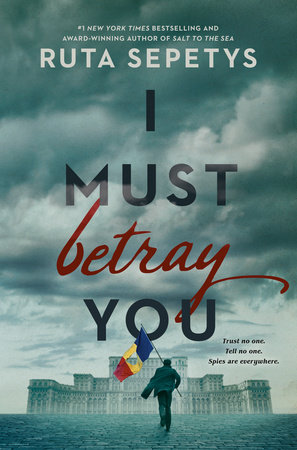
I Must Betray You

In this stunning novel, Ruta Sepetys shines a light on an oft-overlooked period of history.

Book Review: I Must Betray You by Ruta Sepetys

If you’ve been following me for a while, you’ll know I’m a huge Ruta Sepetys fan. I knew my library would purchase this book, but I still had to sit on my hands to keep from buying it on release day. As soon as my library had it available, I snapped it up.

Description

Romania, 1989. Seventeen-year-old Cristian Florescu keeps his dreams and thoughts hidden in a secret notebook he hides beneath the floorboards in his family’s tiny, State-owned apartment. In Nicolae Ceaușescu’s tyrannical communist dictatorship, Romanians aren’t free to dream, and such a notebook is a death sentence, if discovered.

Amidst the growing isolation and fear, the secret police offer Cristian two choices: become an informer and gain much-needed medicine for his sick grandfather, or face the consequences of his crime—possessing foreign currency. Cristian carves out a third option: use his position to undermine the most evil dictator in Eastern Europe.

Cristian risks everything to expose his country’s torment to the world, but he’s not the only informer in Romania. He’s not even the only informer in his own family.

Characters

Cristian describes himself as sarcastic and sharp, but in the totalitarian environment he lives in, that sarcasm rarely leaves his mouth. It hides on the pages of his notebook and in the depths of his thoughts. I wouldn’t label it sarcasm so much as poignant truths. His distaste for the government’s strictures creates tension with his need to protect his family—and the pretty girl in a neighboring building.

The other characters encompass a wide variety of reactions to tyranny—rebels, cowards, black market entrepreneurs, and the defeated, who live with no spark left in their eyes.

Plot

The plot moves at a heart-racing pace, following Cristian as he simultaneously informs on the American diplomat’s son while trying to communicate with the diplomat himself. The more he uncovers the truth, however, the more danger he is in. When revolution finally hits, Cristian learns the true cost of freedom.

Writing Style

 After reading a lot of sub-par free fantasy, this gem was a refreshing change. Ruta Sepetys is a master of mood and metaphor. The characters’ fear and tension come across in every word, and her prose is the perfect balance between efficient and artistic.

Conclusion

In this stunning novel, Ruta Sepetys shines a light on an oft-overlooked period of history. It’s easy to look at the tyrannies of the past and dismiss them as far-off tragedies, but these events happened relatively recently—a poignant reminder that evil has no expiration date. With varied and deeply human characters and a plot packed with intrigue, I Must Betray You is a must-read.


Want more book reviews? Click HERE to subscribe!


Click the Image to Purchase from Amazon*

I Must Betray You

Similar Books I Enjoyed

Read my review here.

One of my favorite books. Read my review here.

Read my review here.


*The above links are Amazon Associate links, meaning that I earn a small commission if you purchase through them, at no additional cost to you. All opinions are my own.